Why Put Empty Toilet Paper Roll Under Toilet Seat
Recently, you may have come across a quirky trend making its rounds on social media and forums—placing an empty toilet paper roll under the toilet seat. Initially popularized by an advertisement, this peculiar practice has sparked numerous discussions and strange opinions online.
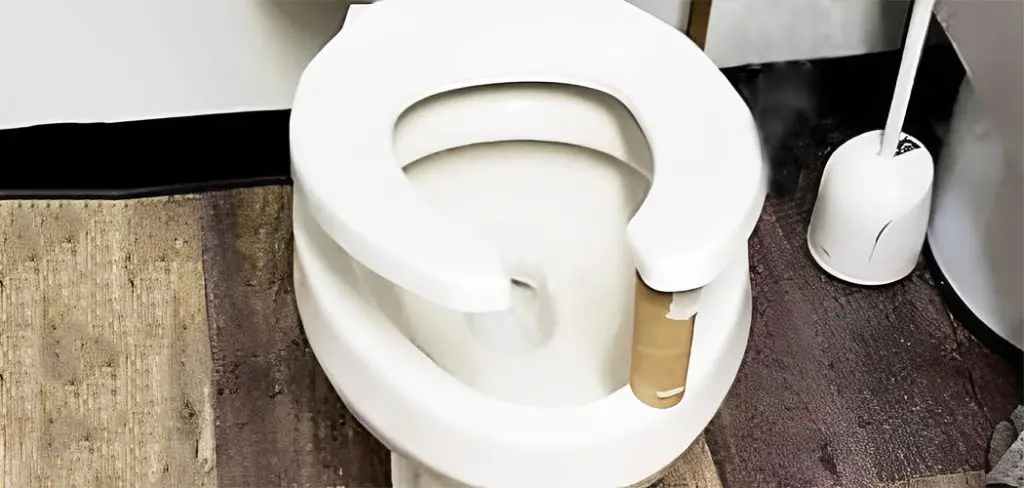
In this blog post, we will explore the reasons behind this phenomenon and the possible causes and benefits associated with placing empty toilet paper rolls under the toilet seat, both in hotel or public restrooms and at night.
Reason To Put Empty Toilet Paper Roll Under Toilet Seat
1. Indicating the Absence of Toilet Paper
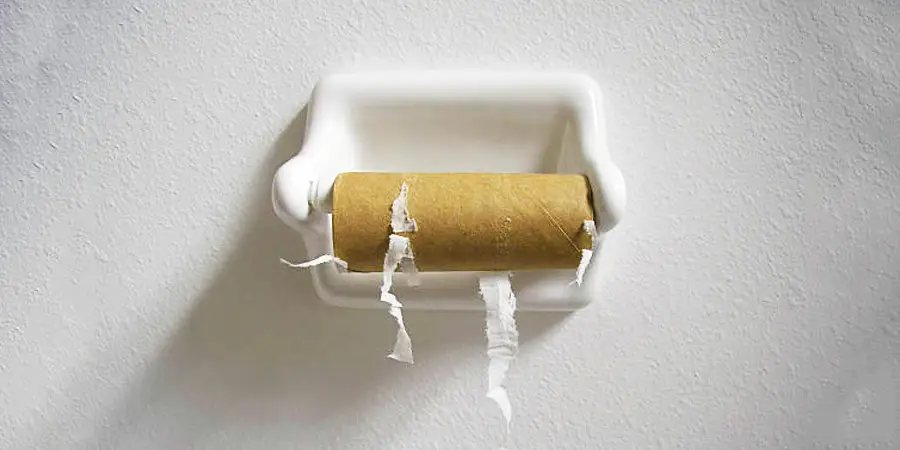
One of the primary reasons people embrace this trend in a hotel or public restrooms is to communicate to the following user that the toilet paper has run out. In busy public facilities, it’s common to encounter empty rolls left hanging or thrown away carelessly.
Placing an empty roll under the toilet seat acts as a considerate gesture to inform others that they need to bring their toilet paper or notify the staff for a refill.
2. Maintaining a Germ-Free Toilet Seat
Some believe that putting an empty toilet paper roll under the seat creates a barrier between the toilet seat and their skin, providing an extra layer of protection against potential germs or bacteria.
While this might not be a scientifically proven method to avoid contamination, it represents a personal choice driven by hygiene concerns.
3. Offering Gentle Reminders
Using an empty toilet paper roll as a gentle reminder for specific tasks (such as Changing the Toilet Paper Roll, Cleaning the Bathroom, Taking Medication or Vitamins, Completing a To-Do List Item, etc.) is yet another ingenious application of this practice.
People often have daily routines and responsibilities in a household setting, and sometimes important tasks might slip their minds.
Placing an empty roll under the toilet seat can be a subtle yet effective way to prompt family members or roommates to remember a particular task associated with the bathroom.
4. For Physically Disabled People
To be Placed an empty toilet paper roll under the toilet seat can be a thoughtful and considerate practice to facilitate the needs of individuals with physical disabilities or mobility challenges.
It serves as a simple yet effective way to make the bathroom experience more accessible and comfortable for them.
Conclusion
Let’s clear up any misconceptions right from the start. The placement of the Empty Toilet Paper Roll under the Toilet Seat has intrigued many, and over time, it has taken on different meanings. If you have any unique interpretations or insights, share them; please don’t hesitate to comment below.
Please share this article with your friends and neighbors who might be curious about this matter.
You may read also – How to stop needing the toilet on a long journey