How to Stop Needing the Toilet on a Long Journey
There are few things more frustrating than having to stop for a toilet break when you’re on a long journey. You can’t afford to miss your bus or train, and even if it’s not that far away from the next station, how do you know how soon they’ll be back? The worst is when there are no proper washrooms on board. So how do we avoid needing the loo while traveling? This post will give some tips and tricks!
7 Tips on How to Stop Needing the Toilet on a Long Journey
1. Drink Plenty of Water Before the Journey
Drinking plenty of water before a long journey is a great way to avoid needing the toilet during the journey. By drinking plenty of water, you will help hydrate your body and reduce the chances of going to the toilet.
2. Avoid Drinking Coffee, Tea
It is also essential to avoid drinking coffee, tea or juice before the journey, as these drinks can dehydrate your body and make you need the toilet more.
3. Eat a Small Meal Before the Journey
Eating a small meal before a long journey is another excellent way of preventing a need for the toilet. By eating a small meal, you will reduce how often you need to use the toilet on your journey. It is essential to avoid eating guavas before a long trip, as they have been known to cause immediate stomach aches and indigestion, which cause one to need the toilet more often.
4. Wear Loose Clothing
Tight clothing can restrict the movement of your stomach and intestines, which can lead to you needing the toilet more often. By wearing loose clothing, you will allow your stomach and intestines to move more freely, which will help to reduce the number of times you need to go to the toilet.
5. Take a Toilet Before Going on a Trip
This is because if you don’t take a toilet before going on a trip, you will need to go during the journey. This will result in the necessity of stopping the car and defecating, which can be very uncomfortable and embarrassing.
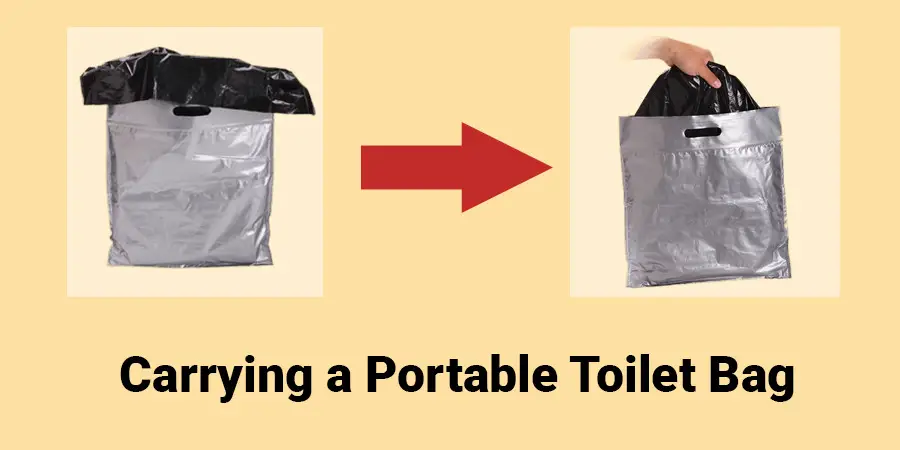
6. Carry a Portable Toilet Bag
If you plan to take an overnight trip, consider carrying a portable toilet bag with you. This will avoid the need to find toilets on board and help make your journey more worry-free!
7. Take Medication Beforehand
If you’re going on a long journey, take medication beforehand to prevent you from needing the toilet.
How Long Can You Go without Pooping?
Long journeys can be very uncomfortable. If you have to poop on a long trip, it can be very uncomfortable and frustrating. You can try to hold it in for as long as possible, but if you have to poop badly, you will have to stop the journey and find a toilet. Knowing how long you can go without pooping on a long journey is very important. You should also know that going longer than two days without pooping can be dangerous for your health.
What Happens if You Don’t Poop (Toilet) for a Week
The worst thing that happens is constipation. Some people believe constipation can lead to death but that’s not true. If you’re careful, you can stop the symptoms of constipation like bloating and abdominal pain by drinking plenty of water and taking medicines.
3 ways to Find a Toilet While Traveling
Find Restaurants
This problematic situation often arises while traveling, but it can be solved by finding restaurants or hotels near the highway. This is a good tactic if you’re going to need to use the restroom anyway.
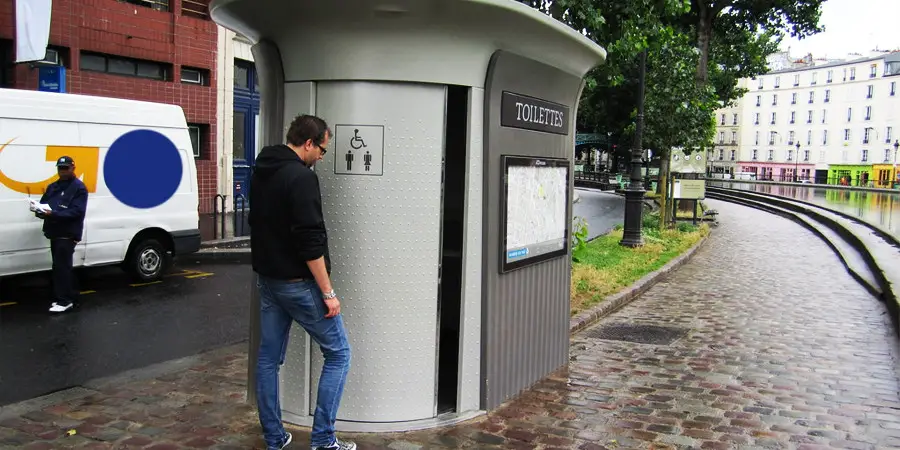
Search for Public Toilet
You can also search for public Toilet. There are often public facilities by interstate exits or at rest stops. You can also find these in city centers, but they may be challenging to find.
Find Gas Station
A gas station is a great place to find a toilet while traveling. They are often open 24 hours and have multiple bathrooms. They are also usually near the highway, making them an easy stop if you’re in a hurry.
You can use Google Maps to help you find the locations of restaurants, public toilets, and gas stations. Simply type in the name of the place or landmark and Google Maps will show you its location.
Conclusion
In a world where it’s nearly impossible to prepare for all the possible events that could happen, it’s important to remember the steps above. While you may plan for some of these things in advance, they can also help if something has gone wrong and you find yourself in this position later on down the line.
Remembering these tips will ensure that you are prepared as much as possible when an emergency situation arises. Comment below with any thoughts or questions about this blog post!
You may read also –