Flexible Toilet Waste Pipe Problems
Welcome everyone! Today we are discussing the potential problems related to flexible toilet waste pipes. Flexible waste pipes are becoming increasingly popular due to their ease of installation and ability to conform to tight spaces.
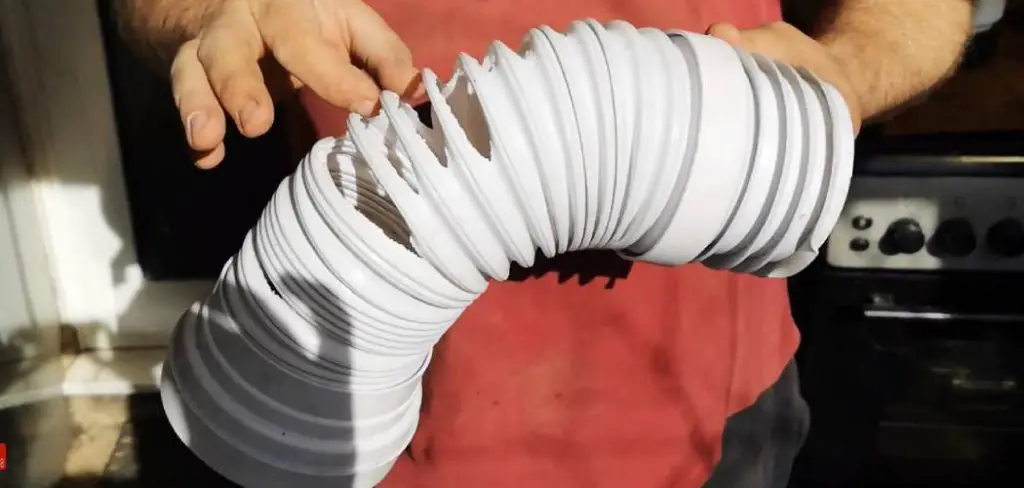
However, it is essential to be aware of the potential issues that can arise with flexible waste pipes so that you can make the best decision for your home plumbing system. This article will discuss some common problems associated with flexible waste pipes and how to avoid them.
List of Flexible Toilet Waste Pipe Problems
Many people experience various issues when utilizing a Flexible Toilet Waste Pipe. The disadvantages of this product and the resulting problems are outlined in detail below.
Leakage Problem
Flexible Waste Pipes are susceptible to leakage, which is an issue many users have experienced, particularly with pipes of lower quality. It is vital to invest in a high-quality product that is less likely to cause issues in the future.
Check it out – Fixing Flexible Toilet Waste Pipe Leaks
Damage by Cleaner Chemicals
The use of certain chemical-based toilet cleaners can cause damage to flexible waste pipes, resulting in leaks. It is essential to be aware of the types of chemicals that could potentially harm the pipe and take care when using them.
Tough Decision for Reuse
If you are looking to reuse a flexible waste pipe after a long period of use, it is crucial to be aware of the potential risks. The pipe may become weak and fragile due to shaking, making it susceptible to damage and potential leaks. It is important to consider this when deciding whether or not to reuse the pipe.
Not for Long Use
Flexible waste pipes are not designed to be used for long-term use. Over time, the pipe can become weak and brittle, leading to potential breakage and leaks. It is essential to be aware of this and to replace the pipe as needed.
Quite Weak
Flexible waste pipes are weak compared to other types of pipes. This means they can quickly become damaged when exposed to excessive force or pressure, leading to leaks and other issues.
Designed Not for Outdoor Use
Flexible waste pipes should not be used outdoors since they are not designed to withstand harsh weather conditions. They should only be used for indoor, temporary applications.
Pets Can Easily Break
Flexible waste pipes can be easily damaged by pets, such as cats and dogs. It is essential to be aware of this and to take precautions to prevent any damage from occurring.
Check it out – How to Cover Toilet Waste Pipe
Most are Low-Quality
The majority of flexible waste pipes on the market are of low quality and prone to leakage and other issues. It is vital to invest in a high-quality product that is less likely to cause any issues in the future.
Causes of Flexible Toilet Waste Pipe Problems
Many issues can arise when utilizing a Flexible Toilet Waste Pipe. Below, I am discussing some of the possible causes of these issues.
Low-quality Product
When investing in a flexible toilet waste pipe, it is important to prioritize quality above all else. Low-quality products are more prone to leakage and other issues, so investing in a higher-quality product can make all the difference in terms of performance and reliability.
Poor Installation
When installing a flexible toilet waste pipe, it is essential to ensure proper installation. Even though it is easy to install, mistakes can be made if the distance is too long or the flexible pan connector is too short. Additionally, the incorrect orientation of the pipe can lead to water flowing in the wrong direction, leading to potential issues.
No Protection
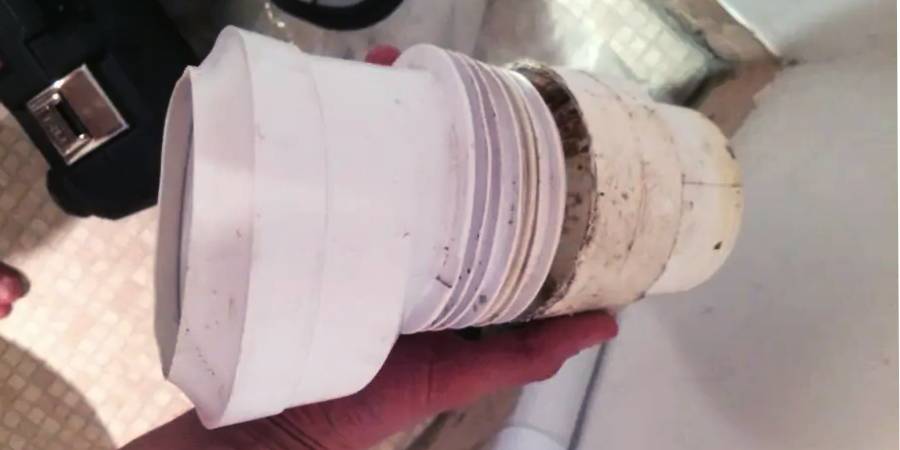
If Flexible Pan Connectors are placed in an area prone to being hit or damaged, such as in a home with pets or small children, it can cause potential problems.
Prevention of Flexible Toilet Waste Pipe Problems
When it comes to preventing problems with flexible toilet waste pipes, investing in a high-quality product, ensuring proper installation, and taking steps to protect them from damage are key steps to take. Even though it is impossible to eliminate the potential for issues entirely, these steps can significantly reduce the risk of problems arising.
FAQ’s
Does a Flexible Toilet Waste Pipe Bend 90 Degrees?
It is possible to bend a flexible toilet waste pipe up to 90 degrees; however, it is not recommended as it can put a lot of pressure on the pipe and cause it to become damaged quickly.
Can You Cut Flexible Toilet Waste Pipe?
Flexible toilet waste pipes have a substantial section on either side for installation, so it is not recommended to cut them. Flexible toilet waste pipes can be altered in size, so there is no need to cut them. If you require a different size, you can purchase a pipe already the correct size rather than cutting it yourself. You can do it if you need to use it for something else.
How Long Do Flexible Tap Connectors Last?
The manufacturer of flexible tap connectors claims that their product can last up to 5 years if no accidents occur. However, low-quality products will likely last up to 2-5 years.
Conclusion
If you are considering a Flexible Toilet Waste Pipe for your PAN, this article has provided an in-depth look at the potential problems that can arise. While these pipes can be convenient in some instances, it is essential to weigh the pros and cons before deciding.
We appreciate you taking the time to read this article and encourage you to share it with your friends so everyone can make an informed decision.
You may read also –