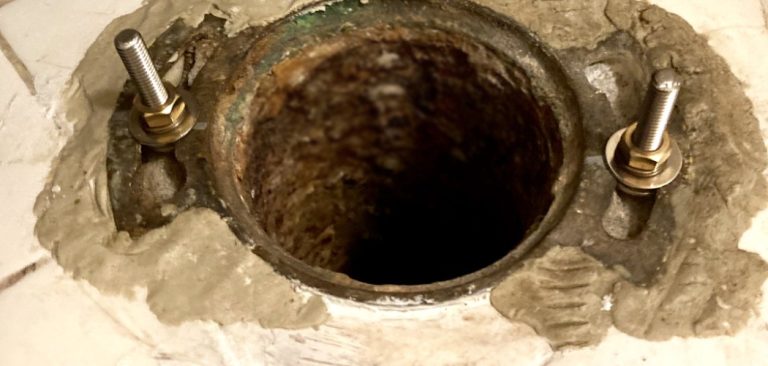
Fixing Flexible Toilet Waste Pipe Leaks
Having a leaking flexible toilet waste pipe can be incredibly frustrating. Not only does it cause a huge mess, but it can also be difficult to repair. Fortunately, with the right tools and a bit of know-how, fixing a leaking flexible toilet waste pipe can be done in no time.
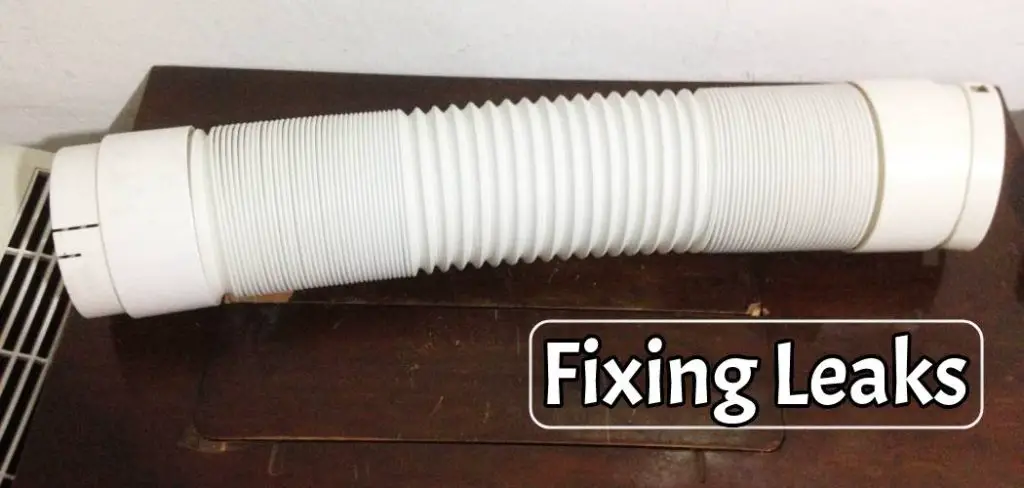
In this article, we’ll show you how to identify and repair the source of the leak quickly and easily. So, if you’re dealing with a leaky flexible toilet waste pipe, don’t despair – follow the steps below, and you’ll be back to normal in no time!
Why Flexible Toilet Waste Pipe Leaks?
Low-Quality Product
Flexible toilet waste pipes are often made of lower-quality materials, making them more likely to crack and leak over time. Choosing a higher quality product when purchasing a flexible toilet waste pipe is important to avoid this situation.
Incorrect Installation (Too Much Stress on the Pipe)
Incorrect installation can also be a cause of flexible toilet waste pipe leaks, such as when the pipe is installed under pressure or with too much tension. This can put too much stress on the pipeline, leading to cracks and, ultimately, a leak. So, ensuring the pipe is properly installed is important to avoid these circumstances.
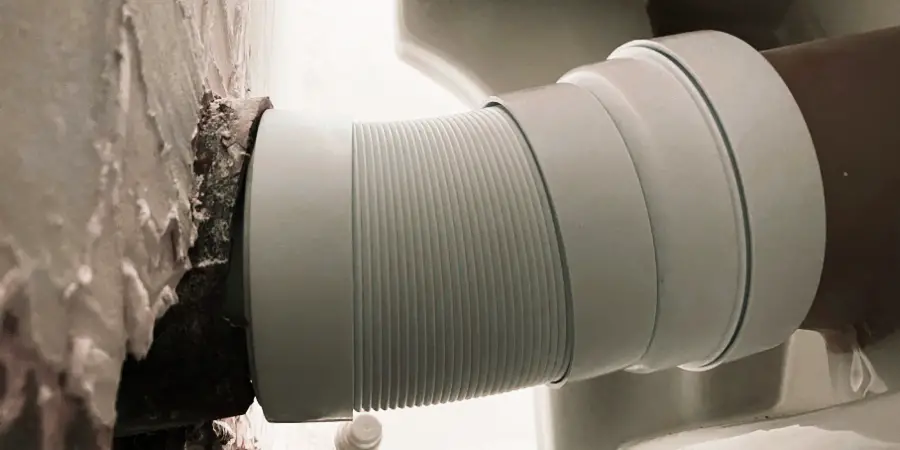
Hit by something
If the pipe is bumped or hit by something, such as your house pet biting or hitting it while cleaning the toilet, it can cause the pipe to crack and leak.
Age of the Pipe
As flexible toilet waste pipes age, they can become brittle, leading to cracks and eventual leaks. It’s important to check the age of the pipe and replace it if necessary to prevent or avoid this situation. Generally, these pipes are made for temporary use and can last up to 2-3 years if they are good quality.
Identifying the Leak
Before attempting to repair a leaking flexible toilet waste pipe, it is important to identify the leak’s source first. This can be done by inspecting the pipeline for any signs of damage, such as cracks, splits, or dents.
Additionally, the material of the pipe may have become brittle over time, making it more susceptible to leaks. If the pipeline is in a state of disrepair, it may not be possible to repair the leak. It is important to examine the pipe thoroughly to determine if it can be repaired or needs replacing.
How to Fix a Flexible Toilet Waste Pipe Leak
The methods I am about to explain for fixing a flexible toilet waste pipe leak assume that the pipe is repairable. Keep reading to learn more about the steps involved in the repair process.
If Leak from Pipe Joint
It’s common for pipe joints to have leaks at the base. This might be because the pipes need to fit correctly or be installed properly.
Generally, in most cases, Flexible Toilet Waste Pipes can be installed directly without any additional equipment. However, in some instances, Leakage may occur, which can be resolved by using various brands of putty to make sanitary Pipe joints.
To ensure a tight seal, apply putty to the Flexible Toilet Waste Pipe joint before installation. This will prevent any leaking from the joint.
If the Pipe Breaks Slightly (Temporary Situation)
Tip 1
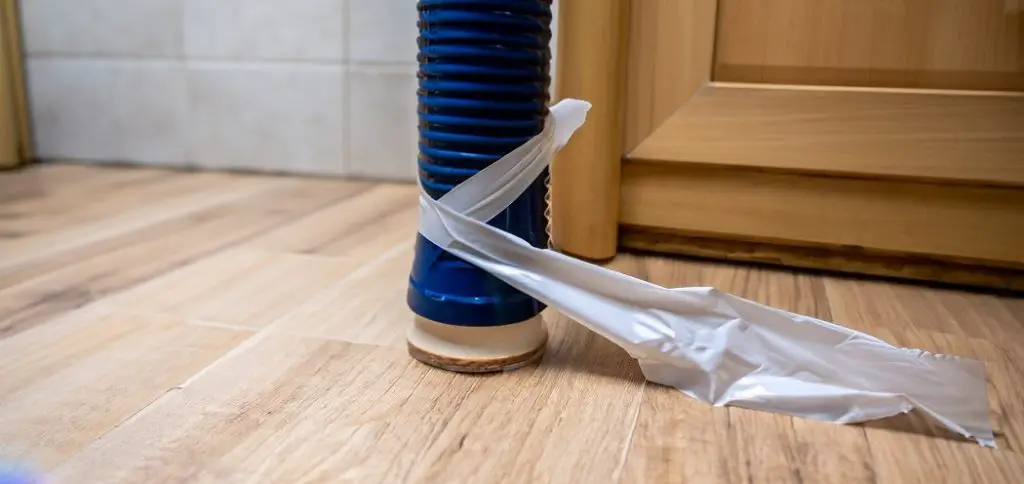
Flexible Toilet Waste Pipe is often prone to tearing or breaking; in such cases, it is best to replace it. However, this can be challenging to do in a short time. An alternative is to use Anti Leak Repair Tape on the pipe, which can provide a temporary solution.
If this is unavailable, any regular tape can be used to cover the broken/damaged area, but this will not last long.
Tip 2
Another clever solution to fixing the leaking pipe is to flip it upside down. This will cause the leak to move upwards, and the pressure of the water will be lessened or not present. To seal the pipe, wrap it in plastic or tape to prevent water from escaping. And you’re done!
Conclusion
I hope I have been able to give you a suitable solution; however, it is essential to be aware that any Leakage detected in the flexible toilet waste pipe must be replaced immediately.
Please share this article with your friends and family so they can benefit from this information. Together, we can help make sure everyone’s flexible toilet waste pipe is leak-free and working properly!
Read More –
- How to Cover Toilet Waste Pipe
- Flexible Toilet Waste Pipe Problems
- How To Stop A Rat In Toilet Pipe Flexi Pipe