How Do You Prepare Toilets for a Long Vacation?
Being here means you are preparing for a long vacation. I would like to enjoy your vacation with your friends or family. But you may be worried about your home, how to prepare for this long vacation?
Information is needed especially for toilets. Because I have noticed that there is no good article about toilets which can help you to keep your toilets sound. So I tried to write a detailed article on ‘How Do You Prepare Toilets For A Long Vacation?’
Hence, I have tried to write the article in detail on this. I hope this will be very useful for you. So, let us know the details under:
What are the problems you may face after returning from a long vacation?
- Permanent stains on toilet tiles and ceramic products.
- The effect of bacteria is seen.
- Evaporating in the toilet bowl water.
What Are the Necessary Ways to Prepare Toilets for a Long Vacation?
I have been able to find out several vital points according to my research which helps you to solve the problems you faced. They are mentioned in detail below:
Step 1: Put Marine Antifreeze in the Toilet Now
If you do not flush the toilet for a long time in winter, the water in the toilet bowl freezes in the cold. And you have to get in trouble after coming back from Long Vacation, which is very annoying. In this case, there is nothing better alternative and the right choice than “Marine Antifreeze” in winter.
This usually prevents water from freezing at temperatures from (-)50° F to (-)100° F. Moreover, it is also able to resist bacteria. You can easily get Marine Antifreeze at any hardware and auto parts store. These are also available on online e-commerce.
Care should be taken to keep your pet away from drinking water mixed with this antifreeze.
Step 2: Empty Toilet Tank
The toilet tank should be left empty before you go on a long tour. If water accumulates in the toilet tank, bacteria can grow and water stains in the tank. Except that, if your toilet is dripping water from the tank continuously, and if it is longer.
There will be permanent stains, which are sometimes impossible to remove. It can ruin the beauty of the toilet. If you do not want to fall into this condition, you must empty the toilet tank before going on a long tour.
Step 3: Clean Everything Before Tour
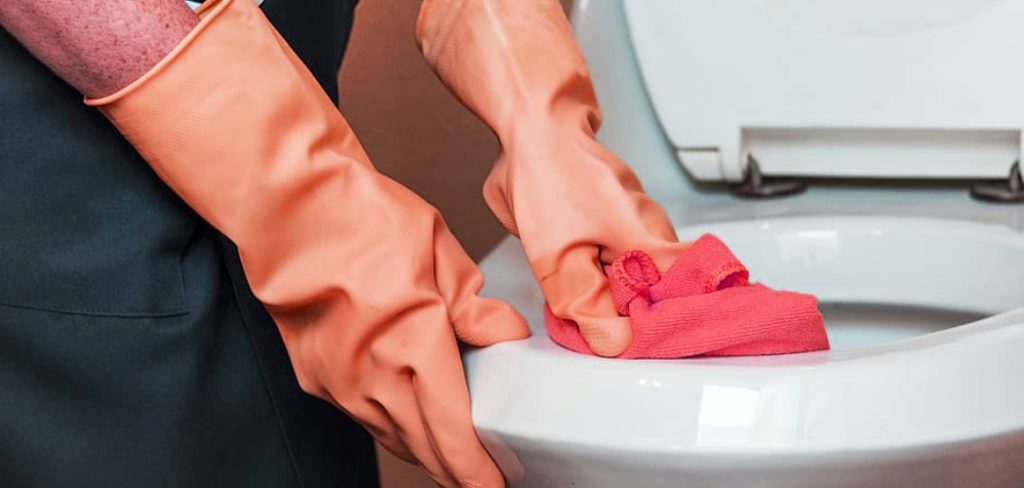
Clean the whole toilet Before going on a long tour, clean everything in the toilet. Although it does not prevent the total growth of bacteria, it is possible to reduce it a lot. Then your family will get a fresh and usable toilet when you come back home.
Step 4: Wipe Everythings
Wipe tiles & basin and keep the things on it away. The main reason for stains on the tiles and basins of the toilet is that water accumulates in any way. So after cleaning the toilet, wipe the tiles or basin thoroughly with a dry cloth.
If anything else is placed on top of them (such as cosmetics, brushes, pots, etc.) it should be removed. At least the water that has accumulated under them causes stains.
Step 5: Close All Cover Before Go-Out
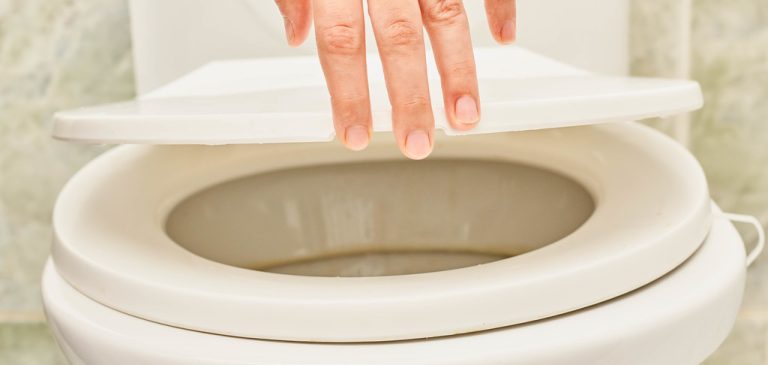
However, many people take care that the cover of the toilet bowl is shut down despite I added it to the list. So that you do not miss it to put the coverlid down. If it remains open, there may be dust and insects falling into the toilet bowl which makes your lavatory dirty and unhygienic.
Step 6: Turn off Waterlineine Connection
Turn off all toilet water supply pipelines. There is no possibility of leaking water nor there is no opportunity to grow moss.
What should you not do !!!
Many will suggest you spread vinegar, oil in the toilet bowl. Although these can be used for toilet cleaning, it would be stupidity to keep them spread for a long time. These will spread a bad smell in your toilet and bacteria will grow. These are useful for a short time, but not for long. However you can use bleach, it works well.
If these cleaning ingredients are spread for a long time, their effectiveness will be lost. It does not have such extra benefits.
Conclusion
While you think about going on a long vacation, you must remember about the toilet because you have read or seen this problem here above. Now you know how to Prepare Toilets before going for a Long Vacation period. Our comment box is open for your feedback, be sure to share your feelings with us.
Read More – How to Stop Needing the Toilet on a Long Journey