How to Get Rid of Vomit Smell in Bathroom
Vomiting in the bathroom is familiar to most people in society, and this problem can often happen to you and your family members. When most people feel nauseous, they first vomit in the bathroom or toilet. Even after cleaning, the stench remains in the bathroom, making you feel uncomfortable.
In this case of the house, the odor is reduced automatically due to the circulation of light and air. Nevertheless, this odor cannot be removed while closed around the bathroom or if there is no sufficient air flow in it. Even the smells found spread in the living room area.
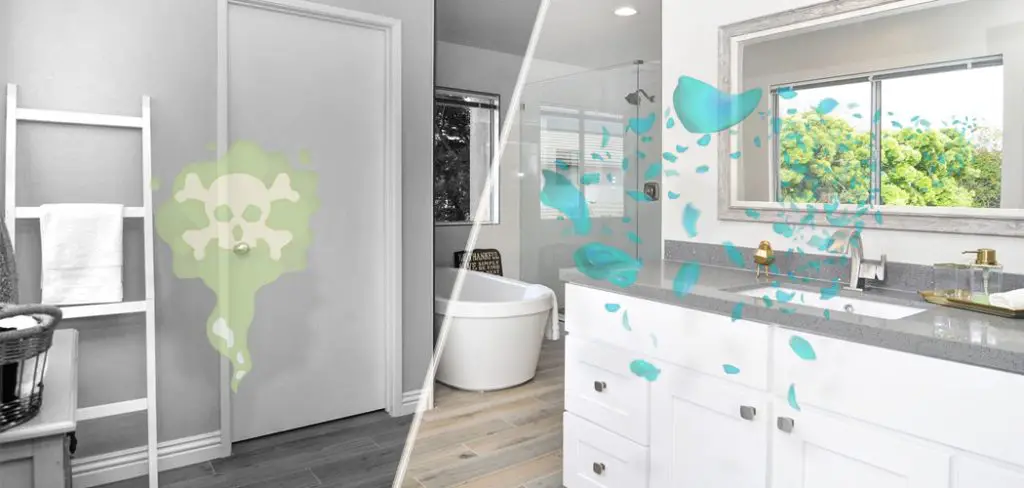
Today’s article is about solving this severe and most common problem to eliminate the smell of vomit in the bathroom. So let’s start reading the article-
5 Methods on How to Get Rid of Vomit Smell in Bathroom
I have mentioned below a few ways to apply to get rid of from the beginning. If you do not get the expected results, try the following form. Hopefully, you can get rid of the foul smell of vomit in your bathroom. Many times the odor is more pungent and more drastic. So, there may be more than one method required to remove it. The practical procedures are mentioned below:-
First, Safety
You must wear gloves and a mask before clearing the vomit. Because vomiting contains bacteria that can pass through your breath and affect you, it can severely make you sick later.
Method 1: Use Bathroom Cleaner
You can use bathroom cleaners that come with perfume after using it. Many good-quality bathroom cleaners are available nowadays that add a fresh and good fragrance use after cleaning the bathroom.
This method will bring you an excellent result to rid your bathroom of the smell of vomit for a limited time. If you do not have good ventilation facilities in your bathroom, there is a possibility of odor later on. Make sure your bathroom is well ventilated, and air refreshed.
Method 2: Sprinkle with Baking Soda
You can spatter baking soda all over the bathroom floor, including the vomiting area, and leave it like this for some time, for example (1-2 hours); this will reduce the foul smell of vomit with protection from bacteria in the bathroom.
Method 3: Turn on the Extractor Fan (It’s Mandatory)
I wouldn’t say it is a method; it’s mandatory if you want to get rid of the stench of vomiting. Keeping the exhaust fan on is not a practical tip, but it can significantly reduce the odor in your bathroom.
The extractor fan helps to get the trapped air out of your bathroom, and it will help complete the cleaning process and keep the extractor fan running.
Method 4: Use Odor Eliminators Over Air Fresheners
Air fresheners often should be used when using the bathroom cleaner, baking soda, or any other ingredients, although things that can’t ultimately reduce the smell of vomit. As long as the air freshener is effective, the odor will disappear. This process is a temporary and straightforward solution for the time being.
Method 5: Look Into Portable Air Purifiers
You can use a portable air purifier to purify the air; it will keep the air in your bathroom fresh. You can even use an indoor home air purifier for some time.
Portable air purifiers for bathrooms are available in the market or e-commerce site. If you are experiencing such a problem frequently, you can purchase a portable bathroom air purifier to solve it.
Check it out – How to Cool Down a Bathroom
FAQ’s
Does the Smell of Vomit Go Away on Its Own?
If there are no Advanced ventilation facilities in the bathroom, then the smell of vomit stays for a long time and makes it smell different over time. However, this smell disappears one day, although it may take longer.
Can You Get Sick From Cleaning Up Vomit?
Vomiting can be contagious so that the virus can enter you through inhalation. Many are very sensitive; they also vomit when clearing the vomit. And when a person vomits, they also become weak and can not move without one’s support.
Does Baking Soda Permanently Remove Vomit Odors?
Baking soda alone may not be effective in compensating vomiting odors. However, it dramatically reduces the smell of vomit and reduces bacteria to avoid risky situations.
How Long Will the Smell of Vomit Last?
Usually, a lot of odor goes away in 2-3 days (unless you take action). However, if the odor is strong and the ventilation is not good, the odor lasts longer.
Conclusion
The smell of vomit in the bathroom is a widespread problem because most people choose the bathroom or toilet as the priority to vomit. I hope you can quickly get rid of the stench after cleaning it after reading this article from your bathroom.
If you have any information, you can share it with us in the comments, and we will update that in the article for more effective and informative.
Read Also – How to Get Color Oops Smell Out of Bathroom