How to Get Rid of Calcium Ring in Toilet
Calcium rings in toilets are a common problem caused by hard water. These stains build up over time and stick to the porcelain, making your toilet look dirty even after cleaning. Fortunately, there are safe and proven methods to remove them—and simple strategies to keep them from coming back.

This guide covers safe cleaning methods, prevention tips, troubleshooting, technical details, and cost-effective solutions. It also warns against dangerous chemical combinations and ineffective myths to help you clean smart—and stay safe.
What Are Calcium Rings, and Why Do They Form?
Calcium rings are mineral deposits that appear around the waterline of the toilet bowl. They come from hard water. Hard water carries dissolved minerals, primarily calcium and magnesium.
When toilet water sits and slowly evaporates, those minerals stay behind. They build up layer by layer. Over time the deposit turns into a visible ring. The ring can range in color from white to gray to light brown depending on other trace minerals and surface age.
The ring forms faster in bowls that:
- Have uneven flush coverage.
- Are not used regularly (water sits longer).
- Are in areas with higher mineral content in supply water.
- Have older or slightly porous porcelain that holds residue more tightly.
Once the minerals harden, they attach to the porcelain surface. Regular mild cleaners cannot break the chemical bond. Cleaning requires either chemical softening or mechanical removal after softening.
Safe and Effective Ways to Remove Calcium Rings
Method 1: Distilled White Vinegar Soak (Light to Moderate Rings)
Why it works:
White vinegar contains acetic acid. At household strength (typically 5%), it slowly dissolves mineral bonds without damaging porcelain.
Detailed steps:
- Turn off the water supply briefly and flush to lower the water level, or scoop out water with a plastic cup to expose more of the ring.
- Pour 1–2 liters of distilled white vinegar directly over the ring.
- For deeper contact, place a clean cotton cloth or reusable rag soaked in vinegar over the ring. Do not use tissue paper because it disintegrates.
- Let the vinegar sit undisturbed for 4–6 hours; overnight is acceptable for heavier deposits.
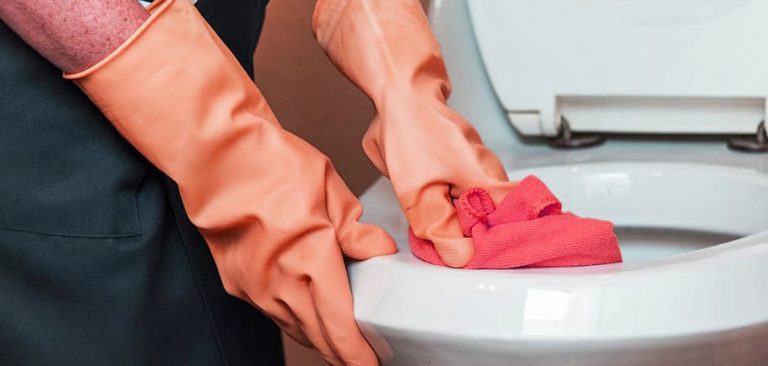
- After soaking, scrub the area with a stiff-bristled toilet brush or non-abrasive pad in small circular motions.
- Flush and inspect. Repeat if residue remains, allowing another soak.
Optional boost:
Add a small amount of citric acid powder (available online or in canning sections) to the vinegar to increase acidity slightly for tougher buildup. Do not exceed safe household concentrations.
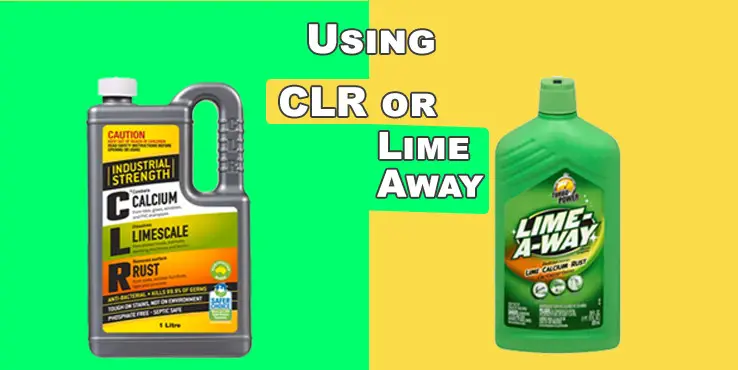
Method 2: Commercial Descalers (CLR, Lime-A-Way, etc.)
Product characteristics:
These products combine acids (often a mix of lactic, sulfamic, or glycolic acids) with surfactants to cut mineral deposits faster than vinegar. They are formulated to cling briefly and dissolve calcium, lime, and rust.

Detailed procedure:
- Read the label fully for contact time and safety instructions.
- Apply the product directly to the ring. Pour or spray so the liquid covers the entire stained zone.
- Allow the product to sit for the recommended window (usually 10–15 minutes for moderate stains; up to 30 minutes for heavy buildup). Do not let it dry completely.
- Scrub with a toilet brush, focusing on the softened deposit. A second application may help if the ring is thick.
- Flush thoroughly.
- If you plan to switch to a different chemistry (e.g., vinegar after CLR), flush 2–3 times and wait 30 minutes to ensure complete dilution and avoid unintended mixing.
Strong warning:
Never mix these descalers with bleach, ammonia, or other household cleaners. Mixing can release dangerous gases or cause chemical reactions. Always rinse the bowl fully before changing products.
Method 3: Pumice Stone for Manual Removal
Why use it:
After chemical softening, physical abrasion can remove the remaining bonded mineral. A pumice stone provides controlled abrasion.
Step-by-step:
- Wet the pumice stone and the toilet bowl surface with water. Both must remain continuously wet; dry friction will scratch more aggressively.
- Lightly rub the stone over the ring using short back-and-forth strokes. Apply only moderate pressure—let the stone do the work.
- Periodically rinse the stone and inspect the area.
- Once the ring lifts, flush to clear debris.
Safety note:
Even when used properly, pumice can leave micro-scratches if pressed too hard. Always test on a small, inconspicuous area first. Do not use on glazed toilets with visible wear where further abrasion may worsen appearance.
Prevention and Maintenance
How to Prevent Calcium Rings
- Daily flushing or use: Prevent water from sitting for long periods.
- Weekly light cleaning: Use a toilet brush with mild vinegar or a non-acidic cleaner to break early mineral formation.
- Dry the rim area occasionally: Wipe around the waterline with a dry cloth after cleaning to reduce standing moisture.
- Install a water softener or point-of-use filter if hardness is high. Reduced mineral content delays or prevents ring formation.
- Use a toilet bowl additive (non-bleach, mineral-targeting) in rotation—not continuously in combination with aggressive descalers—to maintain a slightly acidic environment that inhibits buildup.
Maintenance Schedule
- Weekly:
- Brush the bowl.
- Spray or pour a small amount of vinegar around the waterline.
- Flush.
- Monthly:
- Apply a commercial descaler to the ring area for a deep clean.
- Inspect the flush jets and rim holes; mineral buildup there reduces flushing efficiency and leaves residual water.
- Every 3–6 Months:
- Test water hardness.
- Consider adding a water softener cartridge or regenerating the softener if you have one.
- Replace or clean in-tank preventative units if used.
Water Softener Recommendations
- Whole-house softeners: Best for consistent reduction of calcium/magnesium across all fixtures. Use ion-exchange systems with proper regeneration cycles.
- Point-of-use filters: For rental or small-scale setups, install under-sink or inline softening units to treat toilet supply lines.
- Salt-free conditioners: These do not remove hardness minerals but condition them to reduce scaling tendency. They help slow buildup and extend the time between cleans.
Automatic Toilet Cleaners
- Choose products labeled safe for mineral control.
- Avoid continuous-use bleach tablets if you plan to use acid-based descalers separately; alternate cycles to prevent residue carryover.
- Use float-style or in-tank units that release mild acid gradually to prevent sudden pH shifts.
Detailed Troubleshooting
If Multiple Removal Attempts Fail
- Reassess the stain type: Confirm whether the ring is mineral, rust, or organic.
- Extend soak time: Some thick deposits need repeated treatments spaced 24 hours apart.
- Use a staged approach: Soften with vinegar, follow with a commercial descaler, then finish with controlled pumice abrasion.
- Check hidden areas: Mineral deposits can hide under rim jets or in pipe inlets; scale there can make the ring reappear because fresh water carries residual minerals.
Identifying Stain Types
- Calcium/magnesium (mineral): Dull, chalky, white to off-white, often along the waterline. Feels gritty when lightly scraped after softening.
- Rust: Reddish-brown or orange. It may come from iron in the water or corroded internal components. Use rust-specific removers containing oxalic acid or chelating agents.
- Mold/Mildew: Dark green, black, usually in areas that remain damp but not under constant mineral load. Responds to disinfectants like diluted bleach (used alone, not mixed with acids).
Persistent or Recurring Rings
- Look for downstream causes such as:
- Poor flush coverage (may require adjusting the fill valve or replacing a worn flapper).
- Scale in the supply line limiting fresh water volume and clarity.
- Toilet design that traps water in a corner, creating a localized buildup zone.
When to Call a Professional
- The ring reappears in less than a week despite correct cleaning.
- You suspect internal scale is affecting flushing performance.
- Cracks or hairline fractures appear during cleaning (may need assessment to prevent leaks).
- The toilet repeatedly clogs or has slow tank refill attributed to mineral blockage.
Enhanced Chemical Safety
Ventilation Requirements per Method
- Vinegar only: Mild odor; open a window if possible.
- Commercial descalers (CLR, Lime-A-Way): Stronger fumes. Run an exhaust fan, open windows, and avoid prolonged inhalation. Leave the bathroom door open after application to allow full air exchange.
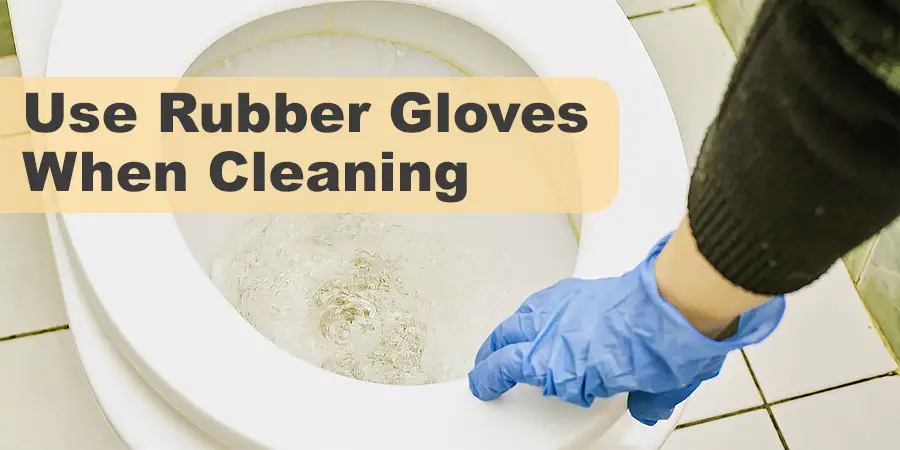
- Pumice scrubbing: Minimal chemical hazard, but use gloves if sensitivity exists from prior chemical use.
Accidental Mixing Protocol
- Immediate action: Leave the room.
- Ventilate: Open all windows and fans.
- Do not flush again until the bowl has been diluted with large volumes of water (if safe to do so without creating splashes).
- Symptoms of exposure: Coughing, difficulty breathing, eye irritation—seek medical attention or poison control promptly.
Child and Pet Safety
- Place a physical barrier (e.g., temporary latch) during soak periods.
- Label all open containers clearly; remove them immediately after use.
- Store chemicals in locked cabinets.
- Rinse brushes and tools and store them separated from general household items.
Disposal Guidelines
- Never dump concentrated leftovers into ground or storm drains.
- Dilute small remaining amounts with plenty of water if permitted by the product label, then flush.
- Recycle empty plastic containers if allowed.
- Unused or old chemical descalers should go to a local hazardous waste facility—check municipal guidelines.
Technical Details
Accurate Water Hardness Testing
- Use test strips that measure calcium carbonate concentration in grains per gallon (GPG) or parts per million (ppm).
- 1 GPG ≈ 17.1 ppm.
- Ranges:
- 0–3.5 GPG: soft water
- 3.5–7 GPG: moderately hard
- 7–10.5 GPG: hard
- 10.5+ GPG: very hard
Strong water hardness (above ~7 GPG) correlates with faster calcium deposition.
Other Minerals and Their Effects
- Iron: Can oxidize and leave rust-colored streaks; often indicates corroded pipes or fixtures.
- Manganese: Causes darker spots or blackish scale; behaves similarly to iron in staining.
- Silica: Can form a glassy film if present in high amounts, making cleaning harder.
Toilet Design Factors That Affect Ring Formation
- Flush power and coverage: Toilets that spray water in a wide, even ring reduce stagnant zones.
- Rim jet blockage: Scale in the small holes under the rim reduces the wash and leaves pockets where water stagnates.
- Porcelain glaze quality: Older or crazed glaze holds minerals more tightly; newer high-gloss glazes resist adhesion.
Cost Analysis
Per-use Cost Breakdown
- Vinegar: ~$3–$5 for multiple uses; household supply lasts months.
- Test strips: ~$8–$15 per pack (10–50 strips) for water hardness monitoring.
- CLR or Lime-A-Way: ~$6–$10 per bottle; one bottle covers several applications depending on stain severity.
- Pumice Stone: $9–$15 one-time purchase; reusable for many cleanings if stored dry after use.
- Automatic toilet cleaners: $5–$12 per multi-pack; recurring cost if used regularly.
- Water softener (entry-level): $300–$600 for point-of-use; whole-house systems scale higher ($1,000+).
- Toilet replacement: $100–$300+ depending on model and installation.
Cost-Effectiveness Comparison
- DIY (vinegar, brushing): Lowest immediate cost; may need repetition for heavy stains.
- Commercial descalers: Moderate cost; high efficacy reduces labor and repeat frequency.
- Prevention via softening: Higher upfront cost, large long-term savings by reducing frequency of deep cleans, protecting fixtures, and extending toilet lifespan.
Eco-Friendly and System-Safe Options
Green Alternatives
- Vinegar and borax (used separately): Vinegar softens; borax adds mild alkali boosting lift when properly sequenced.
- Enzyme-based cleaners: Break down organic deposits and help control biofilm that can trap minerals.
- Biodegradable commercial products: Brands that disclose full ingredient lists and avoid phosphates or harsh acids.
Septic System Considerations
- Avoid continuous use of strong chlorine/bleach products; they can disrupt septic bacteria.
- Prefer enzyme or plant-based cleaners that maintain microbial balance.
- Periodically flush with plain water after treatment to prevent buildup in the pipe leading to the septic tank.
Conclusion
Toilet calcium rings are annoying but manageable. Stick with safe, proven methods like vinegar, CLR, or a pumice stone—never mix products or resort to dangerous chemicals. Regular maintenance and water softening are the best long-term defenses.
If you follow this guide step-by-step and respect the safety rules, you’ll see real, lasting results without putting your health or your toilet at risk.
Have a question or want to share your experience? Leave a comment below. Your input can help others find the safest and best solution for their homes.
Read Also –