How to Get Rid of Skid Marks in Toilet
Are you finding it difficult to keep your toilet clean and free of skid marks? If so, you’re not alone. Skid marks are one of the most common problems in toilets, and they can be quite frustrating to deal with. In this blog, we describe how to get rid of skid marks in your toilet and keep it clean and tidy. Read on to find out more!
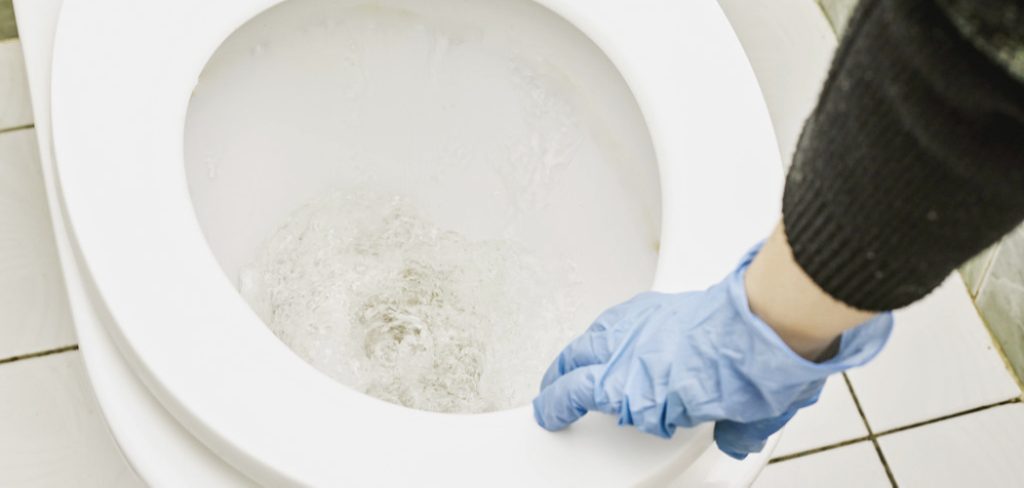
4 Methods on How To Get Rid Of Skid Marks In Toilet
If you’re looking to get rid of skid marks in your toilet, you might want to try this tested method!
1. Scrape It Off
It is the basic method that many people follow, but I am not suggesting it. Scrape on Skid Marks with a toilet cleaning brush since Skid Mark is a soft stage, so it goes up easily but if it becomes hard stained or remains that skid marks for a long time, then scaping with a hard brush may destroy commode brightness or lose its shining.
When cleaning Skid Marks, the problem is that it sticks to the brush and makes the brush unhygienic, so use the brush only once and through it to a waste bin just after use.
2. Use Bidget/Jet sprayer
You can use Bidget / Jet sprayer to clean Skid Marks remotely. If Bidget / Jet sprayer is not installed in your toilet, install it now. This is the best way to clean Skid Marks easily. The bidget sprayer is available in the market at an affordable price.
3. Toilet Skid Mark Remover
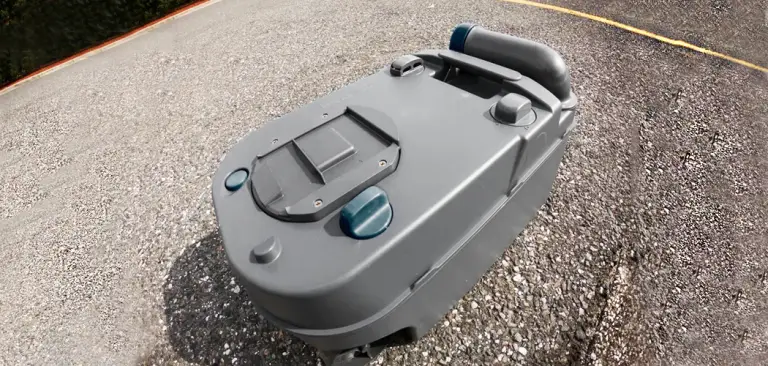
You can use this luxury product BURBL Skid Mark Remover for better results, and BURBL has an advantage because it is rechargeable and portable. There is a small water tank inside. So you can easily clean away from the toilet with this Skid Mark Remover.
4. DIY Skid Mark Remover
You can make a skid mark remover at home if you do not have a budget to buy it. This is a very simple procedure; you need a plastic bottle (a normal drinking water bottle). Make a tiny hole in the middle of the bottle cap top. Make sure the speed of the spray is sufficient for cleaning.
You can fill the bottle with water and use it (tapping or press) as a skid mark remover. It will not cost you anything. It can use only for the initial stage of skid marks in your toilet because the bottle sprayer speed is not as great as the BURBL skid remover.
Why does Poop Stick in the Toilet Bowl
For your acknowledgment, mention some points or causes about why the skid marks are left in your toilet below:
1. Fatty Diet
Fatty foods and even other types of foods sometimes make your stool dense, which can cause sticking to your toilet bowl, showing skid marks in your toilet bowl. Have a diet plan ready for you and your family.
Not for only skid marks, practicing a good diet habit makes you and your family healthy and saves from many diseases which will keep everyone fit and sound.
2. Manufacturer Defect
Toilet seats are often substandard or manufacturer defects which is another reason for your skid marks. So when you buy a toilet bowl or commode, you must check its quality. If you buy a good quality popular brand without buying a local brand, you will not have to face such problems.
How to Prevent Poop Sticking in Your Toilet
1. Improve Your Diet
If you are stuck poops in your toilet, it is always your first job to eat low-fat and high-fiber foods. It slows down your digestive system by massively increasing and reducing gas production. You should also focus on eating more probiotics which are healthier and help digestion.
2. Flush the Toilet Before Using
Skid marks are formed easily by sticking tools when the toilet bowl is dry. So a very important step is to flush the toilet once before using it. It will also help prevent skid marks from sticking through the toilet by creating a layer of water.
Check it out – Toilet Water Usage Calculator
3. Buy a Better Toilet
The coating may not be good in low-quality or cheap toilets, due to which skid marks are easily created every time. So purchase good quality toilet seats. Especially, see the commode and seat measurement mentioned in the instruction manual.
Make sure the product measurement and quality are standard according to the country and race.
4. Use Toilet Bowl Non-Stick Spray or Cleaner
Use a non-stick spray or cleaner for the toilet bowl so that the anus does not get stuck in your toilet. There are no specific products like this, but many cleaners have this feature. So, you can use any cleaner with this feature.
5. Toilet Coating
The toilet cover forms a slippery layer by binding firmly to the ceramic surface of your toilet so that waste can be removed easily. As a result of using it, there is no possibility of skid marks. Toilet Ceramic Coating also helps to keep it clean from various stains.
Toilet Coating Applies Process (Applies in Less Than 5 Minutes)
- Drain your Toilet
- Clean the toilet bowl with toilet cleaner or rubbing alcohol.
- The toilet bowl should be completely dried with tissue or soft rags used in the toilet.
- Wait 10 minutes after wiping the bowl.
- Then spray Toilet Coating and rub with tissue.
- Wait 5 minutes, open the waterline of the toilet, and flush.
You are Done!
FAQs
Is It Necessary to Use a Special Cleaner to Get Rid of Skid Marks?
There is no need to use special cleaners to get rid of skid marks. It can be overcome by using homemade water force at a certain pressure, as mentioned before in the sub-title (DIY skid mark remover).
Are Skid Marks in the Toilet Normal?
Maybe, Skid marks in the toilet are normal. There is no definitive answer to this question as it depends on various factors such as the type of toilet, how often it is used, and how dirty it is.
Some people may see skid marks in the toilet normally, while others may think they are indicative of something more serious. Ultimately, it is up to the individual to decide if they believe these marks are a concern.
Conclusion
Thanks for reading! In this blog, we will be discussing one of the most annoying problems that can plague anyone’s home – skid marks on the toilet. By following the simple tips and tricks provided, you will be able to get rid of them effortlessly. So, don’t wait any longer and get started right away!
If you have any other questions about the toilet, please comment here. We are trying to keep your toilet and house free from annoying or unhygienic conditions.
Read Also – How to Get Rid of Calcium Ring in Toilet