How to Soften Toilet Wax Ring
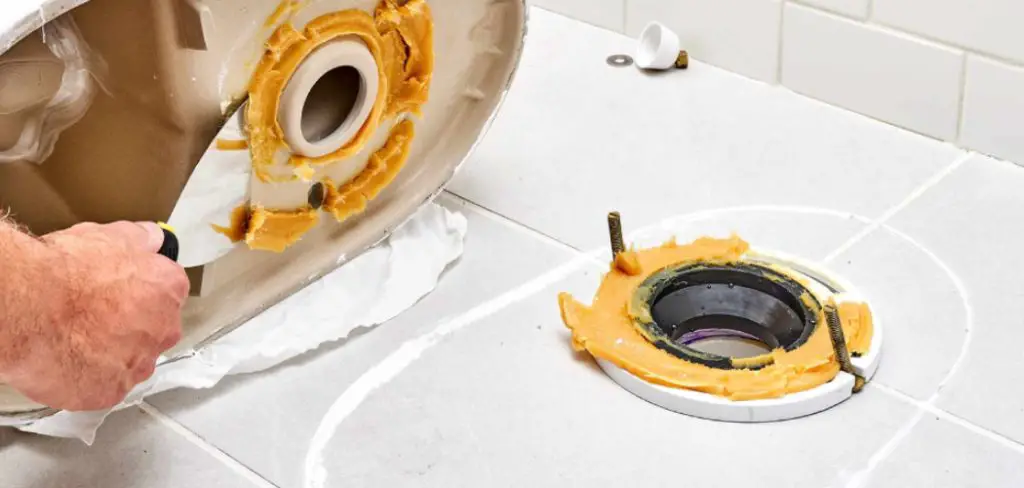
We all know that toilet bowl wax can be very difficult to remove. It hardens, gets stuck in the grooves of the bowl, and then becomes hard and unmovable. In this article, we are going to tell you how to soften toilet wax ring.
5 Different Methods on How to Soften Toilet Wax Ring
We have put together a few methods that you can use to solve your problem with wax rings in various ways.
Method 1: Use Hair Dryer
Warm up your hairdryer by placing it next to the bowl. Aim the nozzle at a 45-degree angle and use it as you would with any other softening method—rotate from side to side while blasting this item in hot air for 10 minutes or so, then decrease.
Method 2: Use Mineral Spirit on Toilet Wax Ring
Mineral spirits can be used to Soften wax rings. Do not pour the mineral spirit directly on the toilet wax ring; instead, apply it to the surface and wipe it with a cloth.
Method 3: Use Vinegar With Warm Water
To soften the toilet wax ring, fill a bucket with warm water and add some vinegar. Stir the wax for about 5-10 minutes until it melts into liquid form. Gently pour this solution onto your bathroom floor and let it soak in for 10-15 minutes to penetrate surfaces that surround the bowl area.
Scrub any hardened bits of material away from around the base of your toilet before adding more fresh hot water and suds again if necessary.
Method 4: Use Baking Soda
To soften the toilet wax ring, take an old cloth and soak it in baking soda. Scrub away the hardened bits of material with a brush before replacing the stocking with fresh hot water and suds again if necessary.
Method 5: Use Warm Soapy Water
Fill a bucket or bowl of warm soapy water to loosen difficult pieces of product stuck in crevices around your toilet base. Then carefully scrub off any debris before rinsing to drain the water. Wait for a few minutes and repeat this process if necessary.
There Are Some Benefits & Challenges of Using the Wax Ring on the Toilet
Some of the Benefits Include:
- It is an easier process to install and use.
- The wax ring has a low-maintenance design that prevents leaks and doesn’t require regular replacement like flange does.
- It can be used with various toilet types, including round, elongated, and bidet toilets.
Some Challenges for Using the Wax Ring, Including:
Wax rings do not protect the porcelain of your toilet, so they can eventually crack and peel. The toilet must be properly sealed, or cracked will result in water damage and odors.
Frequently Asked Questions
Is It Better to Put a Wax Ring on the Toilet or Flange?
Many people do not know whether it is good or bad to use a wax ring in the toilet bowl or flange. Many people are unsure about using it, so we are trying to let you know about the product.
Wax rings come in different sizes and shapes, so should you go with one that will fit your toilet? Toilet water flows through the upper opening (called ‘the overflow’) of a filling valve, creating room for excess trapped air near the base of your toilet bowl before falling into the sewer, where a septic tank collects it.
Why Do Toilet Wax Rings Fail?
Toilet wax rings may fail because they were not properly installed or the toilet was set up incorrectly. Toilet wax rings will fall off if the temperature is too high, resulting in a leak and eventual mold growth.
How much does a plumber charge to replace a wax ring on a toilet?
A plumber might charge for replace a wax ring between $60 and $200. Toilet wax ring cost starts at around $4-$12.
Conclusion
Toilet wax rings often get stuck on the toilet and do not allow for even easy removal. The methods I’ve described are extremely easy and trustworthy. If you read this article carefully, you can easily fix it by yourself without the assistance of a professional.
You may read also –