How Were Outhouses Cleaned
Over the centuries, people have been trying to come up with various ways to clean outhouses. Unfortunately, no one could come up with a perfect solution because some people are successful with the multiple methods that work well, but several ways are utterly useless for many.
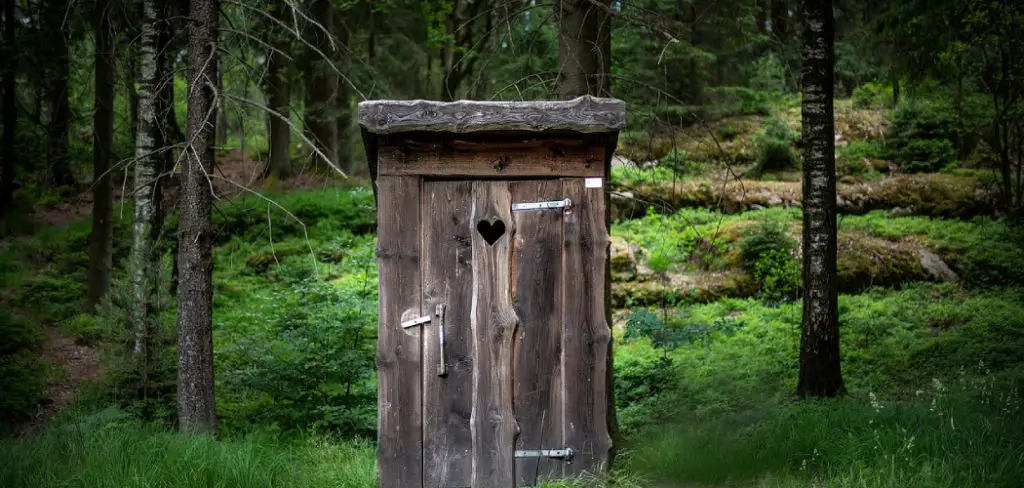
This article will cover how outhouses were cleaned perfectly. Choose one of those works that are best for you and get started!
How Were Outhouses Cleaned
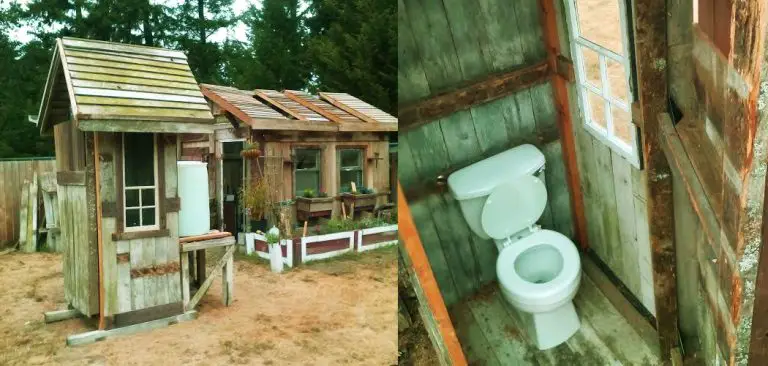
Outhouse cleaning methods or systems have been radically changed from ancient times. There are many differences between the outhouse model from a few centuries ago. There has also been considerable improvement in the construction or maintenance of outhouses.
Again, many people follow the old-fashioned way to reduce their costs. On the other hand, some people step ahead to make the luxury outhouse that costs less than a house.
However, through research, I found 4 processes that people used to follow the way or methods to outhouses cleaned as many did in the previous century. Let’s see the detailed discussions:
1. Scrub Soapy Water
Research on the histories shows that people of earlier times used to make soapy water on certain days and scrape the floor, toilet seat, and other accessories of the outhouse.
According to the research, they used this soapy water even after finishing the outhouse toilet work. The soapy water would keep the outhouse clean, and the Stinky odor was removed from it by using the technique.
2. Used Lime
Lime was an excellent solution for the outhouse and is still used widely nowadays. This product mainly prevents the foul smell of the outhouse. It is known from the old stories of the outhouse that they also used this lime. They would take the lime in tin cans, scatter it in a small quantity in the toilet, and then spread it in the pits of the outhouse after using the toilet.
3. Transferred to Empty Pits
Whenever the outhouse pit was complete, they would lift the outhouse and put it in a new hole made for the outhouse; And the old cavities would be filled with soil because the open pits cause environmental damage and health risks. With this method and procedure, they did not have to face the hassle of cleaning outhouse pits.
4. Used Big Waste Pot
No pits were made for the outhouse in this process. The toilet was built as usual and used at the beginning of the modern civilization era. However, it was built a little higher place than the surrounding surface ground so that there was space under the outhouse.
They used to be a bucket or a big pot instead of a pit in this system. This arrangement was called a pail closet. At the end of the day, people were hired to empty this bucket. Many times the owner of the outhouse would also remove it by themselves.
This method is not widely followed now, even not popular later on. Because in this modern era, various quality products and materials are widely used that are available and easy to find.
How to Maintain Outhouse Now
Although the outhouse is built for rough use, it requires maintenance to protect against Stinky Smell and unhygienic, which causes Unhealthy. The common problem in the outhouse is Stinky Smell. Although this smell is not eliminated, instead it is possible to reduce it to the tolerable stage.
1. Use Baking Soda Regular
The quality of baking soda cannot be overstated; It also contributes to the outhouse. Although baking soda is a bit expensive to use regularly, it works great.
Spreading baking soda in the outhouse dramatically reduces the number of bacteria; Moreover, if you apply regular baking soda in the pits of the outhouse, the degree of odor will be significantly reduced.
2. Use Wood Ash
You can use wood ash in the pit to reduce the odor of the outhouse; It is readily available and cost-free. One downside to using wood ash is that it requires a little more quantity that fills the outhouse pit quickly than usual.
FAQ
How Long Does an Outhouse Hole Last?
It depends on the type of outhouse and how often it is used. An ordinary outhouse typically lasts about two years before needing to be replaced.
Conclusion
Thank you for reading our blog post! We tried to share an exciting and helpful article about how the outhouses were cleaned in the past through this post. Sharing your experience and sending us an email or message on Facebook would be appreciated. Please do not hesitate to share your thoughts with us!
Read Our Article – How to Build an Outhouse With a Flushing Toilet