How To Choose Bathroom Tile Colors
Selecting the perfect tile color for your bathroom is a good decision that can significantly impact the overall ambiance of the space. At the same time, it may seem like a simple question, but choosing in this regard can often be perplexing. Nevertheless, I will provide you with some open-ended ideas that can assist you in determining the color of your bathroom tiles.
Things To Consider Before Choosing The Color Of Bathroom Tiles
Consider The Size Of Your Bathroom
The size of your bathroom plays a vital role in determining the tile color. For smaller bathrooms, lighter colors can create an illusion of space and make the area appear more prominent.
Lighter shades reflect more light, giving the bathroom a brighter and more open feel. On the other hand, if you have a larger bathroom, you have more flexibility to choose both light and dark colors. Darker tiles can add depth and create a cozy ambiance in a spacious bathroom.
Evaluate The Natural Lighting In The Space
The volume of natural light your bathroom receives is crucial in selecting tile colors. If your bathroom has limited natural light, lighter-colored tiles can help brighten the space and make it feel more open.
Conversely, if your bathroom has ample natural light, you can consider light and dark tile colors. The natural light will enhance the hues and bring out their true beauty.
Bathroom Furniture Design And Color
Consider the design and color of your bathroom furniture, such as cabinets, vanities, and countertops. The tile color should complement the existing furniture and create a cohesive look.
If you have furniture with a specific color scheme, you can choose tile colors that harmonize or contrast with those tones. This coordination ensures that all the elements in your bathroom work together harmoniously.
If Indoor Plants Included
If you plan to incorporate indoor plants in your bathroom, it’s essential to consider their colors and how they will interact with the tile colors. Greenery can add a refreshing touch to your bathroom, and the tile colors should complement the natural hues of the plants.
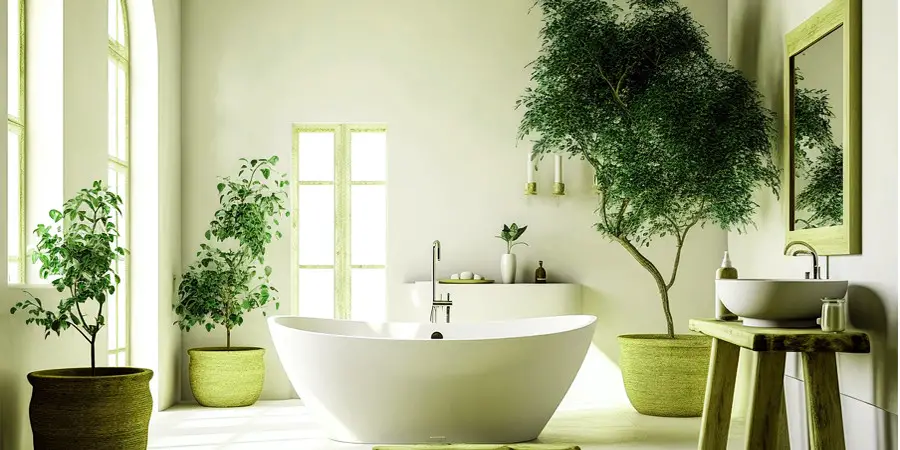
Neutral or earthy tile colors often work well with various plant colors, while brighter or bolder tile colors can create a striking contrast.
Understanding Color Psychology for bathroom
Understanding color psychology can be helpful when choosing tile colors for your bathroom. Various colors have the power to evoke specific emotions and create distinct moods. Here are some commonly used colors in bathrooms and their psychological effects:
White
White is often associated with purity, cleanliness, and spaciousness. It creates a fresh and timeless look in bathrooms, promoting a clean and hygienic atmosphere. White tiles can make a small bathroom appears bigger and serve as a blank canvas to showcase other elements, such as fixtures or colorful accessories.
Also, according to the research, decor-conscious homeowners use white bathroom tiles with minor designs.
Off-White
Off-white tones, such as ivory or cream, offer a softer alternative to pure white. These colors still convey cleanliness and purity but provide a warm and inviting feel. Off-white tiles can create a cozy and relaxing environment in the bathroom, especially when paired with natural materials like wood or stone.
Sky/Ocean Blue
Sky/Ocean Blue tile color is a shade that draws inspiration from the calming and serene qualities of the sky and ocean. It embodies a sense of tranquility, relaxation, and a connection with nature. This particular tile color can create a soothing atmosphere in your bathroom, evoking a sense of freshness and openness.
The Sky/Ocean Blue tile color, when combined with other hues such as white, gray, black, and deep blue, can create a harmonious and visually appealing bathroom design. By incorporating these complementary colors, you can achieve a balanced look without overwhelming the entire space with the blue color.
Light Gray
Gray with textured or patterned finishes tile color offers a premium and sophisticated look for your bathroom. These tiles add depth and visual interest to elevate the overall aesthetic. The combination of gray, black, and white creates a timeless and elegant color scheme.
Despite the potential negative psychological impact of gray in other spaces, it may be different in the bathroom, where you spend limited time. Gray tiles can contribute to a calm and soothing atmosphere in this context, enhancing the overall bathroom experience.
Muted Lime Green
Muted lime green is a unique and rare tile color that adds a touch of nature and freshness to your bathroom. It evokes vitality and rejuvenation. It creates a harmonious color palette when combined with white and light blue. Adequate lighting is essential to showcase the vibrancy of muted lime green tiles. However, it may not be suitable for small bathrooms.
Use Online Virtually Paint To Choose Bathroom Tile Colors
Online virtual paint tools are a helpful resource for selecting bathroom tile colors. These tools allow you to experiment digitally with different tile colors and combinations in your bathroom. You can visualize how various tile colors will look in your space by uploading a photo or using a template.
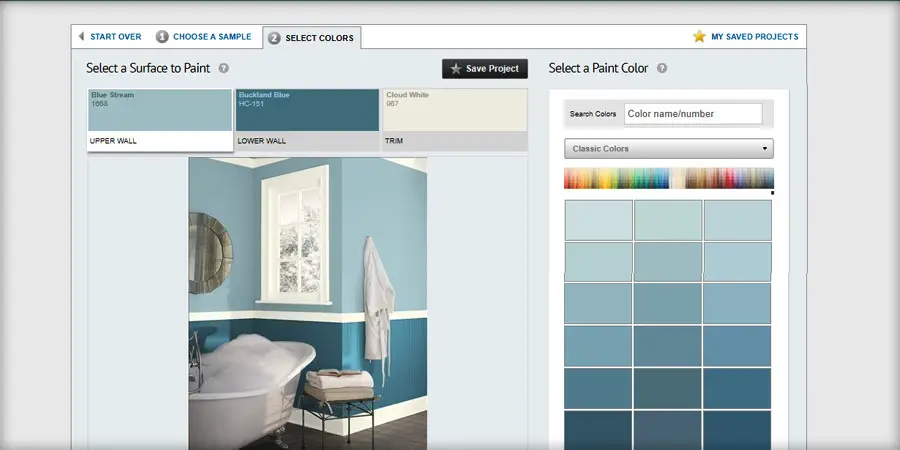
This lets you explore diverse/variant options, compare color schemes, and make informed decisions. It’s a convenient and efficient way to create a cohesive and visually appealing bathroom design, ensuring that the chosen tile colors complement your preferences and the space’s overall aesthetic.
Get Help from a Professional Interior Designer
Selecting the actual tile color for your bathroom is the proper aspect of the overall design process. Considering the combination of colors with other tiles and determining where each color should be used are also important discretion. If aesthetics are important to you, it may be beneficial to engage the services of an interior designer.
An experienced designer can seamlessly present various options to you, not only for tile colors but also for other bathroom decorations. This professional guidance can help ensure your bathroom design is cohesive and visually appealing.
Whether you choose to consult an interior designer in person or online, their expertise can significantly assist you in achieving your desired outcome. Hiring an interior designer online can provide cost-effective solutions for your bathroom design.
FAQ’s
What Are the Popular Bathroom Tile Color Trends?
White and off-white tiles with textured patterns are popular in bathroom tile color trends. These colors offer a clean and fresh look, while the textured patterns add visual interest and depth to the design.
Can I Mix Different Tile Colors in My Bathroom?
Yes, I can. Mixing different tile colors in your bathroom can be a creative and visually appealing design choice. It lets you personalize the space and create unique patterns or focal points.
What Type of Color Should the Floor Tiles Match the Wall Tiles?
When it comes to matching floor tiles with wall tiles, a popular approach is choosing a dark plain color design. The dark color choice can contrast against lighter or neutral wall colors, creating a visually striking and balanced composition in the bathroom.
Conclusion
So, take the time to explore the possibilities, experiment with different colors, and don’t hesitate to seek expert advice. Your dream bathroom is just a few tile colors away. Remember to comment and share this valuable information with your friends who may also be embarking on their bathroom design journey. Happy decorating!
You May Read Also – How to Remove Ceramic Soap Dish From Tile Wall