How to Replace Jacuzzi Bathtub Faucet
A Jacuzzi bathtub faucet is an essential part of your bathroom that allows you to control the flow of water while bathing. However, the faucet may become worn, corroded or damaged over time, leading to leaks, poor performance, and other issues. In such cases, replacing the faucet is often the best solution.
While the idea of replacing a Jacuzzi bathtub faucet may seem intimidating, it is a relatively simple process that can be done with a few basic tools and careful attention to detail.
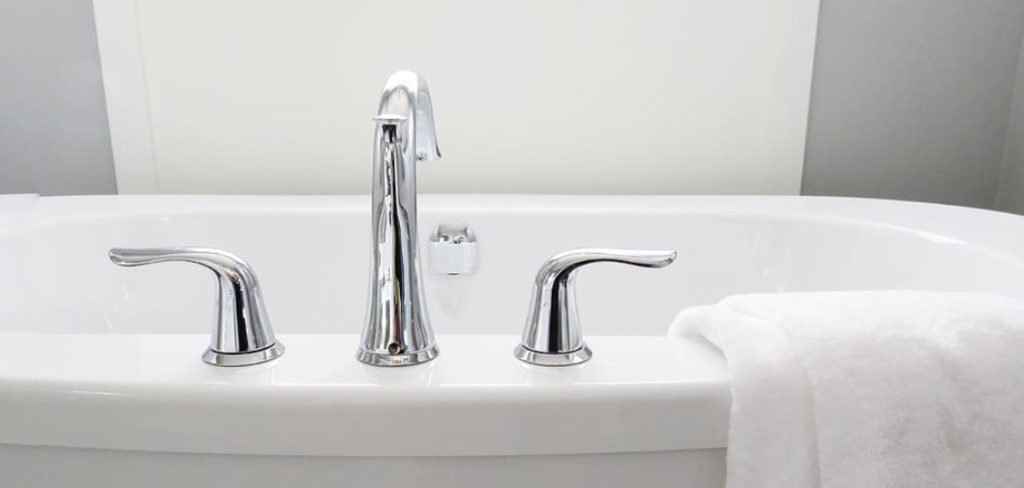
In this article, we will provide a step-by-step guide on how to replace your Jacuzzi bathtub faucet, helping you to restore your Bathtub’s functionality and enhance the overall appearance of your bathroom.
Why Does a Jacuzzi Bathtub Faucet Need to Be Replaced?
A Jacuzzi bathtub faucet may need to be replaced for a variety of reasons. Read on to find out when you should consider replacing your bathtub faucet and the signs that it needs replacing.
Worn Components
Over time, faucet components such as washers and valves can become worn, leading to leaks or poor performance.
Corrosion
Bathtub faucet components can rust over time, particularly if you live in an area with salty water. Corrosion can cause leaks, poor water pressure, and other issues.
Damage
Dropping heavy objects on it, as accidental damage to the faucet, can also necessitate a replacement.
Outdated Design
If your bathtub faucet is outdated or no longer matches the rest of your jacuzzi tub or bathroom decor, you may choose to replace it for aesthetic reasons.
Energy and Water Efficiency
Older faucets can be less efficient regarding water and energy usage, so replacing them with newer, more efficient models can help you save money and reduce your environmental impact.
Remove the Old Jacuzzi Bathtub Faucet
If the Access to the Faucet Opening is Above
Shut Off the Water Supply
The first step of water line work is Locate the water shut-off valves near the Bathtub and turn them off. Turn on the faucet to relieve any remaining water pressure.
Unscrewing & Pull the Faucet Out
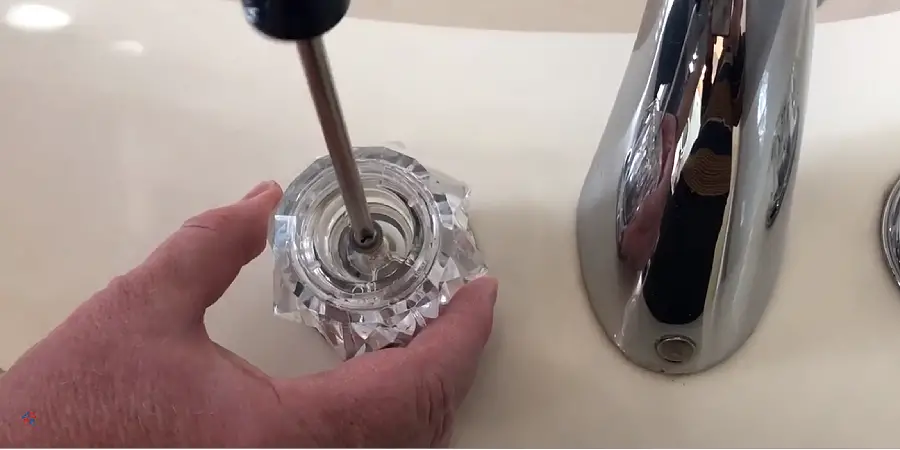
Use a screwdriver or Allen wrench to remove the screws holding the faucet in place. If a decorative cap covers the screw, use a flathead screwdriver to pry it off.
Now, Gently pull the faucet away from the Bathtub to remove it.
If the Opening Access to the Faucet is on the Lower Side
It can be frustrating when certain companies install faucets so they can only be accessed from the lower side, requiring you to remove the faucet from below.
In order to do so, you’ll need to remove any tile, drywall, cardboard, or other material that may obstruct access to the faucet on the side of the Bathtub where it is located.
Once you have cleared the way, you can use a screwdriver or Allen wrench to unscrew the faucet from the bottom and separate it from the Bathtub.
Note: Cover the area with plastic or suitable material to prevent dirt or debris from entering the faucet after opening it.
Install the New Jacuzzi Bathtub Faucet
Here is a step-by-step guide to installing a new faucet:
Step 1 – Check Gasket or Seal
Before installing the new faucet, ensure the gasket or seal is in good condition. If it is worn or damaged, it may need to be replaced. It can be done by purchasing a new gasket or seal from a hardware store.
Step 2 – Put the New Faucet in Place & Check the Level
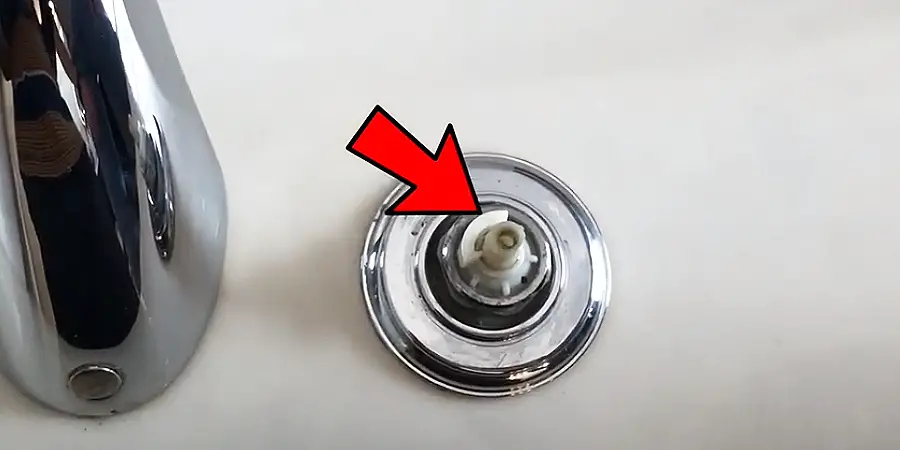
Next, place the new faucet in position on the Bathtub. Check to make sure that the faucet is level and adjust as necessary.
Step 3 – Tighten the Screw
Once the faucet is level, use a screwdriver or Allen wrench to tighten the screws that hold the faucet in place. Be careful not to over-tighten, as this can damage the Bathtub or faucet.
Step 4 – Turn on the Water Supply and Check
After completing the installation, you must turn on the water supply and check if everything functions correctly. Ensure that the water flows properly from the faucet without any leaks or drips from the side.
If you encounter any issues, it’s advisable to repeat the removal and installation process, making sure to follow each step correctly.
Remember to take your time, be patient, and be careful throughout the process to avoid damages or complications.
Cautious
1. If there is rust on the faucet and its opening screw, it is recommended to apply anti-rust or penetrating oil before commencing repair work. It should be noted that if the screw’s head or thread is damaged, opening the faucet will be difficult.
2. It is not advisable to use any adhesive during faucet installation as it can cause the faucet to become permanently stuck. If adhesive is used, replacing the faucet next time will not be possible.
Final Thoughts
If you feel uncertain or uncomfortable with the Jacuzzi bathtub faucet replacement process, it’s recommended to seek professional assistance to avoid any potential damage or complications. Alternatively, you can comment below the article, and I will provide guidance and assistance at my best level.
If you found this guide helpful, please share it with your friends and family who might need it. Together, we can make replacing a bathtub faucet easier and more manageable for everyone.