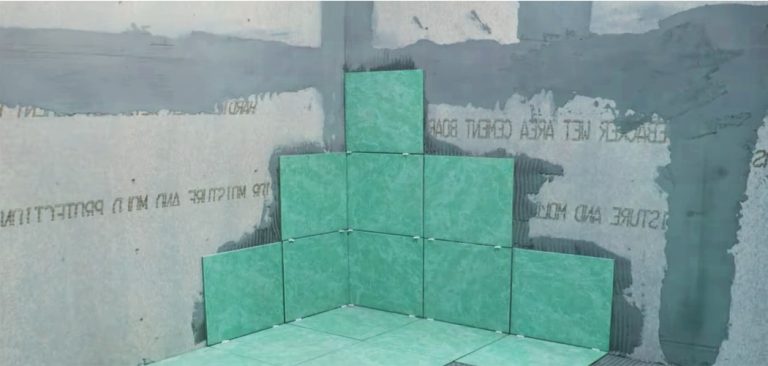
All You Need To Know About Public Pool Bathroom

Public pool bathrooms are a critical part of any swimming facility. They ensure hygiene, safety, accessibility, and comfort for all visitors. Well-designed, properly maintained bathrooms improve the overall pool experience while complying with regulatory standards. This guide covers every aspect, from design and construction to operation and modern technology.

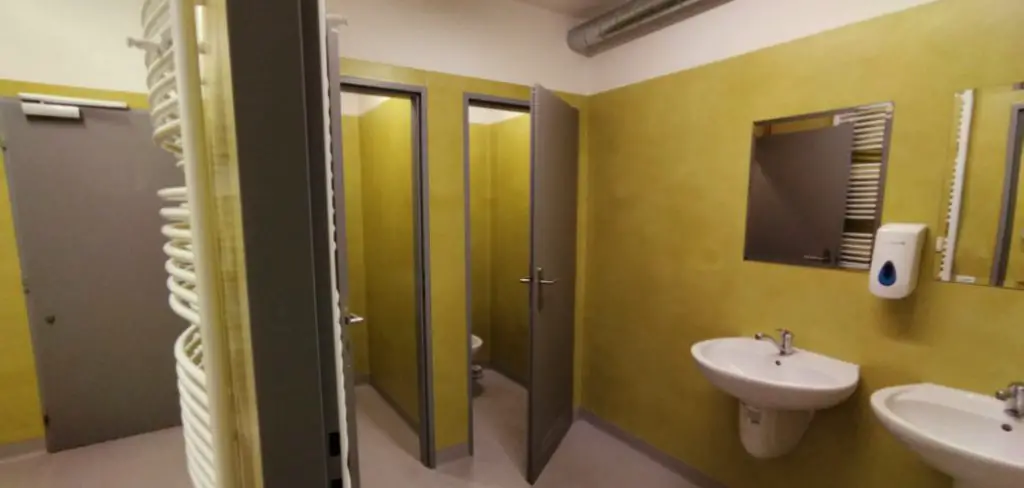
Public Pool Bathroom

What is a Public Pool Bathroom?

A public pool bathroom is a dedicated facility near a swimming pool. It provides essential amenities including:

  • Toilets for men, women, and family use
  • Sinks and handwashing stations
  • Showers for rinsing off before and after swimming
  • Changing areas with privacy partitions

These bathrooms reduce the spread of contaminants and keep pool areas clean. They also provide swimmers with privacy and convenience, encouraging better hygiene habits and more enjoyable visits.

Regulatory and Legal Requirements

Building Codes and ADA Compliance

Public pool bathrooms must comply with local building codes and accessibility laws. Key ADA requirements include:

  • Wheelchair-accessible stalls and showers
  • Grab bars in toilets and showers
  • Lowered sinks and counters
  • Wide, obstacle-free pathways

Many modern facilities go beyond minimum ADA requirements. For example, larger stalls, multiple grab bars, and automated doors can enhance accessibility and comfort for people with mobility challenges.

Health Department Regulations

Health authorities enforce sanitation standards to protect public health. Regulations can vary but usually include:

  • Regular cleaning and disinfection of toilets, sinks, and showers
  • Adequate hot water supply
  • Proper ventilation to reduce humidity, odors, and bacteria growth
  • Maintenance of waste disposal and diaper stations

Operators must verify local, state, and federal regulations, as requirements differ widely depending on jurisdiction.

Fixture Ratios and Occupancy Load

Fixture requirements depend on occupancy load calculations, which estimate the maximum number of people who can use the pool at a given time. Examples:

  • 1 toilet per 25 women
  • 1 toilet per 50 men (urinals may reduce the number required)
  • 1 sink per 40 occupants

Following these guidelines ensures efficient use and reduces congestion during peak hours.

Design and Layout Considerations

Traffic Flow

Bathrooms must accommodate peak usage smoothly. Design entrances, exits, and pathways to prevent bottlenecks. Consider:

  • Multiple doors for entry and exit
  • Clear separation between shower, toilet, and changing areas
  • Space for mobility devices or strollers

Ventilation

Good ventilation prevents moisture buildup, mold, and odors. Options include:

  • Exhaust fans with automatic timers
  • Dehumidifiers
  • Windows or vents for natural airflow

Drainage

Proper drainage ensures floors remain dry and safe. Floors should slope toward drains, and drains must be placed in high-traffic areas, showers, and near entrances to prevent water pooling.

Privacy and Inclusive Design

  • Use floor-to-ceiling or high partitions for privacy
  • Include gender-neutral and family-friendly facilities
  • Consider private changing cubicles or small family rooms to accommodate children and caregivers

Specialized Features and Accessibility

  • Baby Changing Stations: Convenient and hygienic areas with proper diaper disposal
  • Wheelchair Accessibility: Wider stalls, grab bars, lower sinks, and accessible showers
  • Emergency Equipment: First aid kits, call buttons, and automated alerts
  • Storage Solutions: Hooks, shelves, and secure storage for bags and personal items

Adding these features improves visitor satisfaction and meets modern accessibility expectations.

Health and Hygiene

Cleaning Protocols

Bathrooms must follow frequent and detailed cleaning schedules. Examples:

  • Toilets and urinals disinfected multiple times per day
  • Showers scrubbed to remove soap scum and bacteria
  • Floors mopped with sanitizing solutions

Shower Water Temperature

Codes usually specify 105–120°F, with 100–105°F being most comfortable. Maintaining correct water temperature prevents burns or chilling and ensures a safe, enjoyable experience.

Foot Washing Stations

Foot washing stations reduce the spread of fungal infections like athlete’s foot from pool decks into bathrooms.

Air Quality

Ventilation systems should regulate humidity to prevent mold, mildew, and unpleasant odors.

Waste Disposal

Provide bins for wet diapers, wipes, and disposable swim diapers. Ensure bins are emptied frequently to maintain cleanliness.

Operational and Management Aspects

  • Staffing: Adequate janitorial staff and monitoring personnel
  • Supplies: Stock soap, paper towels, and toilet paper consistently
  • Usage Monitoring: Track occupancy and peak times to prevent overcrowding
  • Incident Reporting: Keep logs for accidents, injuries, or equipment malfunctions

A well-managed facility ensures smooth operations and consistent hygiene standards.

Cost Breakdown and Financing

Construction Costs

Building a public pool bathroom typically costs $30,000 to $60,000 or more, depending on:

  • Size and occupancy
  • ADA compliance
  • Commercial-grade fixtures
  • Local labor and materials

Itemized costs:

  • Plumbing and water supply: $8,000–$15,000
  • Electrical and lighting: $5,000–$10,000
  • Flooring and wall finishes: $7,000–$12,000
  • Toilets, sinks, showers, and partitions: $10,000–$20,000

Operational Costs

Ongoing expenses include:

  • Utilities: water, electricity, heating
  • Cleaning supplies: disinfectants, mops, towels
  • Staff salaries

Financing Options

Funding may come from municipal budgets, grants, or loans. ROI calculations should consider increased pool usage, visitor satisfaction, and maintenance savings.

Technology and Modern Features

  • Touchless Fixtures: Sensor faucets, soap dispensers, and hand dryers reduce germ spread
  • Water Conservation: Low-flow showers and sinks, greywater recycling
  • Security Features: Adequate lighting, monitored entrances, and secure locks
  • Smart Monitoring: Occupancy sensors, automated cleaning alerts, and maintenance notifications

Modern technology increases efficiency, hygiene, and safety.

Environmental Considerations

  • Use sustainable materials and energy-efficient lighting
  • Implement water recycling and chemical-free cleaning practices
  • Optimize ventilation to minimize energy use and control humidity

Sustainable design reduces operational costs and environmental impact.

User Experience and Comfort

  • Temperature Control: Maintain comfortable shower and bathroom temperatures
  • Noise Reduction: Acoustic treatments for privacy and relaxation
  • Lighting: Balance natural light with energy-efficient artificial lighting
  • Wayfinding: Clear, multilingual signs guide visitors efficiently

A thoughtful user experience encourages repeat visits and satisfaction.

Troubleshooting and Problem Prevention

  • Common Issues: Leaks, clogged drains, broken locks, worn-out fixtures
  • Seasonal Considerations: Winterization, peak summer management
  • Emergencies: Procedures for flooding, power outages, or medical incidents
  • User Behavior: Policies to prevent vandalism, misuse, or unsafe practices

Proactive management prevents problems before they escalate.

Why Shower After Using the Pool

Showering removes:

  1. Bacteria and Sweat – Pools host swimmers from various locations.
  2. Pool Chemicals – Chlorine and chloramines can irritate skin and hair.
  3. Urine and Contaminants – Showering minimizes contact with contaminants.

A post-swim shower protects health, prevents irritation, and refreshes the body.

Conclusion

Public pool bathrooms are vital for hygiene, accessibility, comfort, and safety. Proper design, construction, and maintenance ensure:

  • Compliance with ADA and health regulations
  • Clean, functional facilities for all visitors
  • Enhanced user satisfaction and repeat visits

A well-planned bathroom contributes significantly to the overall success and reputation of a public swimming facility.

Similar Posts

Leave a Reply

Your email address will not be published. Required fields are marked *