How to Use a Japanese Soaking Tub

A Japanese soaking tub, called furo in its traditional form or ofuro as the honorific, is a deep bath designed for calm, immersion, and renewal. Unlike Western bathtubs, which are long and shallow, Japanese tubs are upright and compact, allowing the bather to sit fully immersed. This design makes them ideal for relaxation, even in small bathrooms or outdoor gardens.

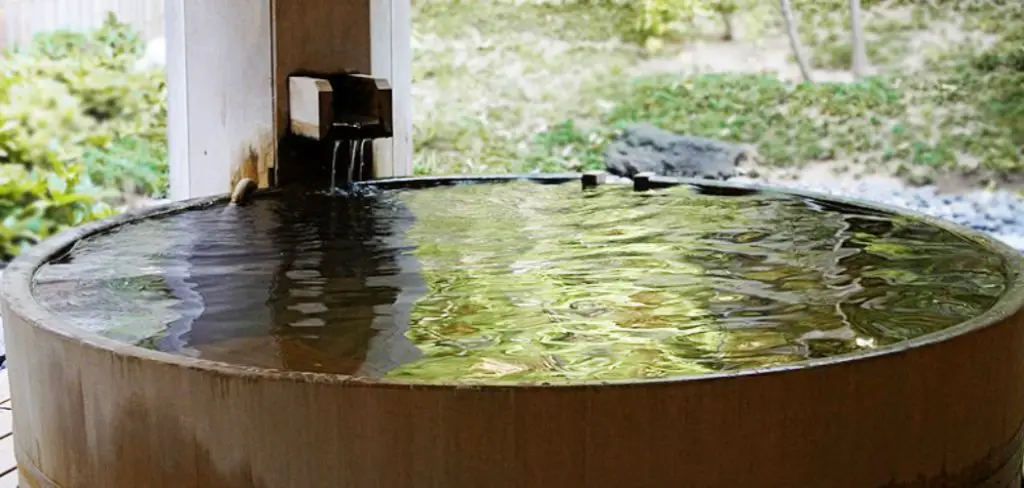
a wooden Japanese Soaking Tub full with water

For centuries, soaking in a furo has been more than hygiene—it has been a ritual of health, comfort, and connection. Today, modern homes around the world include these tubs to bring the tradition of Japanese bathing into daily life.

Why Use a Japanese Soaking Tub?

Japanese soaking tubs are valued for both physical health and emotional well-being:

  • Deep Immersion: Unlike shallow Western tubs, the depth allows the water to cover the body up to the shoulders.
  • Muscle Relaxation: Warm water helps loosen tight muscles after work or exercise.
  • Stress Reduction: The ritual of soaking calms the mind and promotes rest.
  • Circulation Support: Hot water encourages blood flow, easing aches and stiffness.
  • Eco-Friendly Materials: Traditional tubs use hinoki cypress, cedar, or teak—woods valued for durability and natural aroma.
  • Compact Size: Fits into smaller spaces while still offering a spa-like experience.

💡 Engaging note: Imagine the soft scent of hinoki wood rising with the steam, the sound of water gently lapping, and your body floating in warmth—it feels less like bathing and more like stepping into calm itself.

How to Use a Japanese Soaking Tub

Step 1: Fill with Hot Water

Fill the tub with clean water. The authentic soaking range is 100–110°F (38–43°C). In Japan, many prefer 107–109°F (42–43°C) for deep relaxation. Always use a thermometer to prevent water that is too hot.

Step 2: Wash Before Entering

Japanese bathing etiquette requires washing the body thoroughly with soap and shampoo before entering. This is done in a separate shower area. Washing ensures the soaking water remains clear and pleasant for the next person.

Step 3: Soak and Relax

Enter the tub slowly. Sit upright with your knees bent, and let the water cover you up to your shoulders. There is no strict time limit, but most people soak for 10–20 minutes. Leave the tub if you feel lightheaded or overheated.

💡 Tip: Many people add a bamboo tray with tea, water, or a book nearby to make the soak even more enjoyable.

Step 4: Dry Off

After finishing, step out carefully and dry with a towel. Allow your body to cool slowly before dressing.

Installation Requirements

Installing a Japanese soaking tub may require preparation:

  • Plumbing: Direct water supply and proper drainage are essential.
  • Weight: A full tub weighs 1,000 lbs or more. (Water weighs ~10 lbs per gallon. A 100-gallon tub = ~1,000 lbs, not counting the tub itself.) Floors must be reinforced for indoor installations.
  • Electrical: Heated tubs or recirculating systems require safe electrical connections.
  • Drainage: Sloped floors or fast-drain systems prevent pooling around the tub.
  • Outdoor Setups: Choose a stable, level surface with good water runoff.

Maintenance and Care

Proper care ensures longevity, especially for wooden tubs:

  • Daily Cleaning: Rinse after each soak.
  • Wood Care: Hinoki tubs need oiling or protective coatings to prevent cracks.
  • Mold and Mildew Prevention: Keep the bathroom ventilated; wipe surfaces dry when possible.
  • Seasonal Storage: For outdoor tubs, drain completely in winter and cover to prevent freezing.
  • Filtration: For tubs with recirculation, use filters to keep water clean.

Cultural and Historical Context

Bathing in Japan carries deep cultural meaning:

  • Furo vs. Ofuro: Furo is the basic word; ofuro is the polite form.
  • Hadaka no Tsukiai: Shared naked bathing represents openness, equality, and community.
  • Family Bathing: In homes, multiple family members may use the same water, washing first to keep it clean.
  • Public Baths: Sento (public baths) and onsen (hot springs) still follow this tradition today.
  • Seasonal Rituals: Longer, hotter soaks in winter for warmth; lighter, cooler soaks in summer for refreshment.

Etiquette Details

To enjoy a Japanese soaking tub respectfully:

  • Sit Upright: Do not stretch out as in a Western tub.
  • Keep Hair Out: Wash hair separately; avoid letting it soak in the tub.
  • Share Respectfully: If others will use the water, enter clean and avoid splashing.
  • Adjusting Temperature: Add hot water slowly using a ladle or bucket.

Practical Considerations

  • Depth: Most tubs are 24–27 inches deep (about 0.6 m), slightly shallower than originally stated but enough for full immersion.
  • Room Size: Indoor setups usually require at least 5×7 feet.
  • Indoor vs. Outdoor: Indoors offers privacy and convenience; outdoors adds a spa-like natural atmosphere.
  • Privacy: Outdoor tubs often need screens, fencing, or natural plantings.
  • Ventilation: Indoor areas must have proper airflow to prevent humidity problems.

Alternative Options

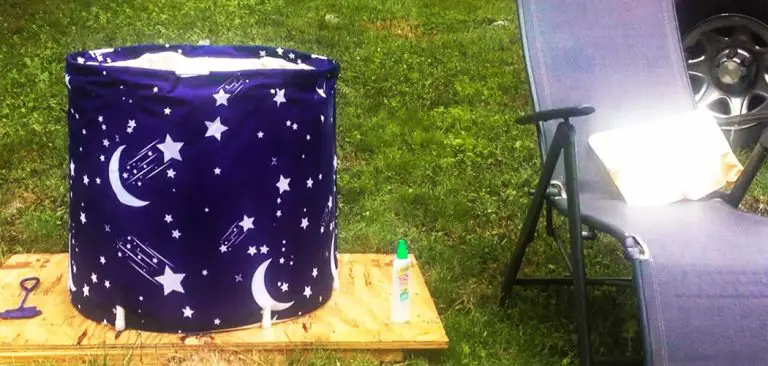
  • Portable/Inflatable Tubs: Budget-friendly and easy to store.
  • DIY Conversions: Western tubs with soaking inserts or deep retrofit kits.
  • Rental Experiences: Try an ofuro at a spa before buying.
  • Secondhand Marketplaces: Used tubs can sometimes be found for less.

Health and Wellness Benefits

Japanese soaking tubs are often used as a form of therapy:

  • Hydrotherapy: Warm water and buoyancy reduce joint strain and pain.
  • Arthritis Relief: Heat loosens stiff joints and improves mobility.
  • Better Sleep: Evening soaks prepare the body for rest.
  • Stress and Anxiety: The soak calms the nervous system.
  • Contraindications:
    • Avoid use with uncontrolled high blood pressure.
    • Those with serious heart conditions should consult a doctor.
    • Pregnant women should seek medical advice before soaking.
    • Children should always be supervised.

💡 Wellness tip: Many people combine soaking with aromatherapy or mindfulness breathing for a complete spa-like ritual.

Water Quality Enhancements

  • Minerals: Add Epsom salts or sea salts for muscle recovery.
  • Essential Oils: Use mild options like lavender or hinoki. Avoid strong oils that may damage wood.
  • Tools: Floating thermometers and filtration systems ensure safe and clean water.

Shopping Guide

What to Look For

  • Materials: Hinoki, cedar, and teak are best for wood tubs.
  • Sizing: Depth of 24–27 inches suits most users; check height for comfort.
  • Warranty: Premium tubs often include multi-year coverage.
  • Reputable Sellers: Look for manufacturers specializing in Japanese soaking tubs.

Accessories

  • Wooden bath pillows or backrests
  • Bamboo trays for tea or books
  • Ladles and buckets for water pouring
  • Outdoor covers for protection
  • Digital or floating thermometers

Seasonal Considerations

  • Summer: Fill with cooler water for refreshing soaks.
  • Winter: Heated water and insulated tubs improve efficiency.
  • Maintenance: Deep clean and treat wooden tubs 2–3 times yearly.
  • Weather Protection: Outdoor tubs should be covered to protect against snow, leaves, and dirt.

Pros and Cons

Pros

  • Authentic deep soaking experience
  • Can be installed indoors or outdoors
  • Strong wellness and cultural tradition
  • Eco-friendly wood construction available
  • Enhances health, mood, and lifestyle

Cons

  • More expensive than Western tubs
  • Requires washing before soaking
  • Heavy when filled; needs structural support
  • Depth may feel small for taller users

Cost of Japanese Soaking Tubs

  • Wooden tubs: Start around $1,500.
  • Premium hinoki or cedar tubs: Range $3,000–$6,000.
  • Acrylic or fiberglass tubs: $2,000–$6,800 depending on features.
  • Add-ons: Built-in heaters, jets, and filtration systems increase cost.

Conclusion

A Japanese soaking tub is more than a piece of bathroom furniture—it is a ritual of balance and comfort. With water temperatures between 100–110°F (38–43°C), a depth of 24–27 inches, and the cultural practice of washing first, the furo transforms bathing into a calming daily ritual.

Whether installed indoors for privacy or outdoors for a natural retreat, the ofuro brings centuries of Japanese wellness into modern living. By maintaining it well, respecting etiquette, and using it safely, you can enjoy both tradition and therapy in every soak.

Read More: How to Make a Water Trough Bathtub

Similar Posts

Leave a Reply

Your email address will not be published. Required fields are marked *